
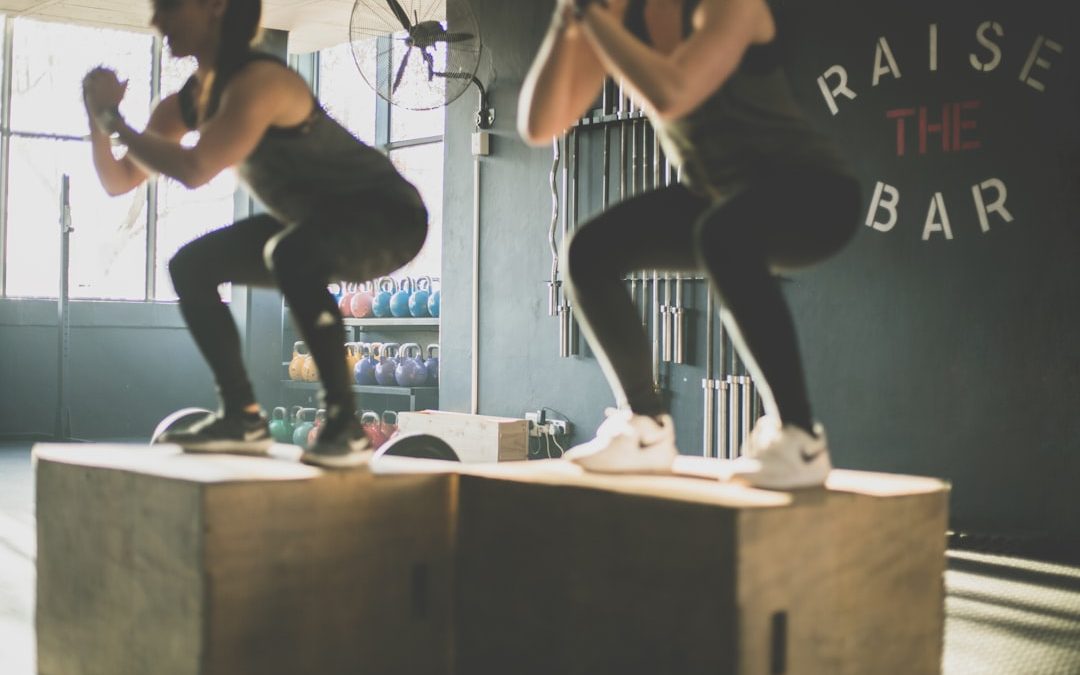
Calisthenics is a type of exercise that utilizes body weight for resistance, eliminating the need for external weights or equipment. This versatile and effective method of training enhances strength, flexibility, and endurance, and is suitable for individuals at various fitness levels. The ability to perform calisthenics exercises anywhere makes it a practical and accessible fitness option for those with time constraints or limited gym access.
Beyond muscle development, calisthenics emphasizes improving overall body control, coordination, and balance. Mastering fundamental calisthenic movements provides a solid foundation for progressing to more advanced techniques and skills. This exercise modality is renowned for its focus on functional strength, with movements designed to enhance performance in everyday activities and tasks.
Key Takeaways
- Calisthenics is a form of exercise that uses body weight for resistance and can be done anywhere without the need for equipment.
- Beginner calisthenics exercises include push-ups, squats, lunges, and planks to build a strong foundation.
- To progress to an intermediate level, increase difficulty and intensity by adding variations like handstand push-ups, pistol squats, and muscle-ups.
- Advanced calisthenics movements include planche, front lever, and one-arm pull-ups, requiring exceptional strength and control.
- Incorporate skills and combos like handstand walks, muscle-up to handstand, and human flag to fine-tune your routine and challenge yourself.
- Proper nutrition and recovery are essential for supporting your calisthenics journey and preventing injury.
- Sustain strength and progress by setting goals, staying consistent, and listening to your body for optimal performance.
Building a Foundation: Beginner Calisthenics Exercises
Fundamental Exercises
For beginners, it’s essential to start with the basics to build a strong foundation in calisthenics. Some fundamental exercises include push-ups, squats, lunges, planks, and pull-ups. These exercises target major muscle groups and help develop strength and stability in the core, upper body, and lower body.
Targeted Muscle Groups
Push-ups are a classic calisthenics exercise that targets the chest, shoulders, and triceps. Squats and lunges are effective for building strength in the legs and glutes, while planks help to strengthen the core muscles. Pull-ups are a challenging exercise that targets the back, biceps, and forearms.
Modifying Exercises for Individual Fitness Levels
These exercises can be modified to suit individual fitness levels, making them accessible to beginners while still providing a challenge for those with more experience. As beginners progress in their calisthenics journey, they can focus on improving their form and increasing the number of repetitions or duration of each exercise.
Consistency is Key
Consistency is key when building a foundation in calisthenics, so it’s important to practice these exercises regularly to see progress and improvement.
Progressing to Intermediate Level: Increasing Difficulty and Intensity
Once individuals have mastered the basic calisthenics exercises, they can begin to progress to more intermediate-level movements that increase difficulty and intensity. This may involve adding variations or progressions to the basic exercises, such as diamond push-ups, pistol squats, jump lunges, side planks, and chin-ups. Diamond push-ups are a challenging variation of the traditional push-up that places more emphasis on the triceps and chest muscles.
Pistol squats are a single-leg squat variation that requires strength, balance, and flexibility in the legs and hips. Jump lunges add an explosive element to the traditional lunge exercise, increasing cardiovascular endurance and lower body strength. Side planks target the obliques and improve core stability, while chin-ups provide a different grip position for targeting the back and biceps.
As individuals progress to intermediate-level calisthenics exercises, they may also incorporate circuit training or high-intensity interval training (HIIT) to further challenge their cardiovascular system and overall fitness level. This can involve performing a series of exercises with minimal rest in between, increasing the intensity and calorie burn of the workout.
Pushing the Limits: Advanced Calisthenics Movements
Advanced calisthenics movements require a high level of strength, flexibility, and body control. These movements often involve complex skills and combinations that require significant practice and dedication to master. Some advanced calisthenics movements include muscle-ups, handstand push-ups, front levers, back levers, planches, and human flags.
Muscle-ups combine a pull-up with a dip to transition from hanging below the bar to pulling up and pushing above the bar in one fluid motion. Handstand push-ups require individuals to support their body weight upside down while performing a pushing motion, targeting the shoulders and triceps. Front levers and back levers involve holding a horizontal body position while hanging from a bar, requiring exceptional upper body and core strength.
Planche exercises challenge individuals to hold their body parallel to the ground while balancing on their hands, requiring significant upper body and core strength. Human flags are an advanced calisthenics movement that involves holding the body horizontally while gripping a vertical pole or bar. These movements require not only strength but also exceptional body control and coordination.
Advanced calisthenics practitioners often spend years honing their skills and perfecting these movements through consistent practice and dedication.
Fine-tuning Your Routine: Incorporating Skills and Combos
As individuals progress in their calisthenics journey, they may choose to incorporate specific skills and combinations into their routine to further challenge themselves and add variety to their workouts. This may involve practicing handstands, muscle-up transitions, pistol squat variations, or combining different exercises into fluid movement patterns. Handstands are not only a great way to improve shoulder strength and stability but also require focus and balance.
Muscle-up transitions involve practicing the transition from a pull-up to a dip position on the bar or rings, combining strength and coordination. Pistol squat variations may include adding weight or performing the exercise on an unstable surface to increase difficulty. Combining different exercises into fluid movement patterns can create a dynamic and challenging workout experience.
This may involve performing a series of exercises in succession with minimal rest in between or creating sequences that flow from one movement to the next. This approach not only challenges physical strength but also improves coordination and agility.
Nutrition and Recovery: Supporting Your Calisthenics Journey
Optimal Nutrition for Performance
Proper nutrition provides the energy and nutrients necessary for optimal performance during workouts and supports muscle recovery and growth. A balanced diet that includes lean proteins, complex carbohydrates, healthy fats, and plenty of fruits and vegetables can help fuel workouts and aid in muscle repair.
Rest and Recovery for Progress
In addition to nutrition, adequate rest and recovery are essential for progress in calisthenics. This includes getting enough sleep each night, allowing for muscle repair and growth. Active recovery techniques such as stretching, foam rolling, and yoga can also help reduce muscle soreness and improve flexibility.
Hydration for Peak Performance
Staying properly hydrated before, during, and after workouts is essential for maintaining performance and preventing dehydration.
Taking it to the Next Level: Tips for Sustaining Strength and Progress
As individuals continue to progress in their calisthenics journey, it’s important to set new goals and continue challenging themselves to sustain strength and progress. This may involve setting specific targets for mastering advanced movements or increasing the difficulty of current exercises. Consistency is key when it comes to sustaining strength and progress in calisthenics.
Regular practice of fundamental exercises as well as advanced movements is essential for maintaining strength and skill level. Incorporating variety into workouts can also help sustain progress by preventing plateaus and keeping workouts engaging. This may involve trying new exercises, changing up rep ranges or sets, or incorporating different training modalities such as plyometrics or isometric holds.
Finally, seeking out a supportive community or coach can provide valuable feedback, motivation, and accountability for sustaining progress in calisthenics. Whether it’s joining a local calisthenics group or working with a personal trainer who specializes in bodyweight training, having support can make a significant difference in sustaining strength and progress over time. In conclusion, calisthenics is a versatile form of exercise that offers numerous benefits for individuals of all fitness levels.
By mastering the basics, progressing to intermediate-level movements, challenging oneself with advanced skills, fine-tuning routines with specific skills and combos, supporting the journey with proper nutrition and recovery, and sustaining progress with consistency and variety, individuals can continue to grow and develop their strength and skills in calisthenics. With dedication and perseverance, anyone can achieve remarkable feats through this empowering form of exercise.
FAQs
What is calisthenics?
Calisthenics is a form of exercise that uses body weight for resistance and does not rely on equipment or machines. It includes movements such as push-ups, pull-ups, squats, and lunges.
What are the benefits of calisthenics?
Calisthenics can improve strength, flexibility, and cardiovascular fitness. It also helps to improve body control, coordination, and balance. Additionally, calisthenics can be done anywhere and at any time, making it a convenient form of exercise.
What is a progressive calisthenics routine?
A progressive calisthenics routine is a structured plan that gradually increases in difficulty over time. It typically starts with basic exercises and then progresses to more challenging variations as the individual gains strength and skill.
How can a beginner start a calisthenics routine?
A beginner can start a calisthenics routine by focusing on mastering the basic movements, such as push-ups, squats, and planks. It is important to start with proper form and gradually increase the number of repetitions and sets as strength improves.
What are some advanced calisthenics exercises?
Advanced calisthenics exercises include movements such as muscle-ups, handstand push-ups, pistol squats, and front levers. These exercises require a high level of strength, stability, and body control.
Is it possible to build significant muscle mass with calisthenics?
Yes, it is possible to build significant muscle mass with calisthenics, especially when incorporating advanced exercises and progressive overload. By increasing the difficulty of movements and continuously challenging the muscles, calisthenics can lead to muscle growth.
Thank you for sharing this insightful article! I found the information really useful and thought-provoking. Your writing style is engaging, and it made the topic much easier to understand. Looking forward to reading more of your posts!