

When you step into a gym, you are greeted by an array of machines, free weights, and various equipment designed to help you build strength, endurance, and muscle mass. Gym workouts typically focus on resistance training, where you lift weights to target specific muscle groups. This method allows for precise control over the amount of weight you are lifting, making it easier to track your progress and gradually increase the load as you become stronger.
You can isolate muscles effectively, which is particularly beneficial if you have specific fitness goals, such as building larger biceps or enhancing your leg strength. On the other hand, calisthenics emphasizes bodyweight exercises that utilize your own weight as resistance. Movements like push-ups, pull-ups, squats, and planks are staples of this training style.
The beauty of calisthenics lies in its versatility; you can perform these exercises almost anywhere, requiring little to no equipment. This form of training not only builds strength but also enhances flexibility, balance, and coordination. As you engage in calisthenics, you develop functional strength that translates well into everyday activities.
Understanding these fundamental differences can help you appreciate the unique benefits each approach offers and how they can complement one another in your fitness journey.
Key Takeaways
- Gym workouts focus on using equipment and weights, while calisthenics relies on bodyweight exercises.
- Combining gym workouts and calisthenics can lead to improved strength, flexibility, and overall fitness.
- To incorporate calisthenics into your gym routine, consider adding bodyweight exercises like push-ups, pull-ups, and dips.
- Proper form and technique are crucial in calisthenics to prevent injury and maximize results.
- A well-rounded fitness routine can be achieved by balancing gym workouts and calisthenics for a holistic approach to fitness.
The Benefits of Combining Gym Workouts and Calisthenics
Integrating gym workouts with calisthenics can lead to a more comprehensive fitness regimen that maximizes your results.
Developing Strength and Endurance Simultaneously
One of the primary benefits of this combination is the ability to develop both strength and endurance simultaneously. While gym workouts can help you build muscle mass and power through heavy lifting, calisthenics can enhance your muscular endurance and overall body control.
Becoming a Well-Rounded Athlete
This dual approach allows you to become a more well-rounded athlete, capable of performing a variety of physical tasks with ease. Moreover, combining these two training styles can help prevent workout monotony. If you find yourself getting bored with your routine, incorporating calisthenics can introduce new challenges and keep your workouts fresh and exciting.
Stimulating Growth and Creativity
You might discover new exercises that engage different muscle groups or require different movement patterns, which can stimulate growth and prevent plateaus. Additionally, the dynamic nature of calisthenics encourages creativity in your workouts, allowing you to experiment with various movements and progressions that keep you motivated and engaged.
How to Incorporate Calisthenics into Your Gym Routine
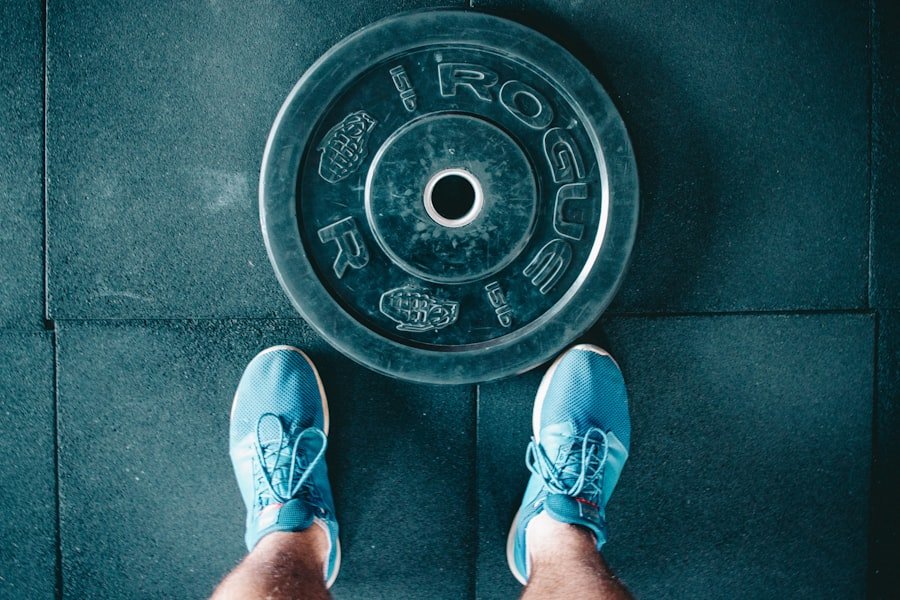
To effectively blend calisthenics into your gym routine, start by identifying specific days or sessions dedicated to bodyweight exercises. For instance, you could designate one or two days a week for calisthenics-focused workouts while reserving the remaining days for traditional weightlifting. This approach allows you to maintain a balanced routine without overwhelming yourself with too many changes at once.
You might begin with a warm-up that includes dynamic stretches followed by a circuit of bodyweight exercises such as push-ups, dips, and lunges. Another effective strategy is to incorporate calisthenics as a form of active recovery between sets of your weightlifting exercises. For example, after completing a set of bench presses, you could perform a set of pull-ups or planks before returning to your next set.
This method not only keeps your heart rate elevated but also enhances your overall workout efficiency by maximizing the time spent in the gym. As you become more comfortable with this integration, feel free to experiment with different combinations and intensities to find what works best for you.
The Importance of Proper Form and Technique in Calisthenics
| Importance of Proper Form and Technique in Calisthenics |
|---|
| 1. Injury Prevention |
| 2. Muscle Engagement |
| 3. Better Results |
| 4. Long-term Progress |
| 5. Mind-Muscle Connection |
As with any form of exercise, maintaining proper form and technique is crucial in calisthenics to prevent injury and ensure optimal results. When performing bodyweight exercises, it’s easy to fall into the trap of rushing through movements or using momentum rather than engaging the targeted muscles effectively. For instance, during push-ups, focusing on keeping your body in a straight line from head to heels is essential for maximizing the benefits of the exercise while minimizing strain on your shoulders and lower back.
Additionally, mastering the fundamentals of calisthenics can set the foundation for more advanced movements. Before attempting complex exercises like muscle-ups or handstand push-ups, ensure that you have a solid grasp of basic movements such as push-ups, squats, and pull-ups. This progression not only builds strength but also enhances your body awareness and control.
Taking the time to refine your technique will pay off in the long run as you advance in your calisthenics practice and reduce the risk of injury.
Creating a Well-Rounded Fitness Routine with Gym Workouts and Calisthenics
To create a well-rounded fitness routine that incorporates both gym workouts and calisthenics, consider your personal goals and preferences. Start by assessing what you want to achieve—whether it’s building muscle mass, improving endurance, or enhancing overall fitness. Once you have a clear understanding of your objectives, design a weekly schedule that balances both training styles.
For example, you might choose to focus on strength training three days a week while dedicating two days to calisthenics. In addition to structuring your workouts around specific goals, ensure that you include a variety of exercises within each training style. In the gym, mix compound movements like deadlifts and squats with isolation exercises such as bicep curls or tricep extensions.
Similarly, within your calisthenics practice, incorporate different variations of push-ups, dips, and leg raises to target various muscle groups effectively. By diversifying your routine in this way, you’ll not only keep things interesting but also promote balanced muscle development and overall fitness.
Common Mistakes to Avoid When Combining Gym Workouts and Calisthenics
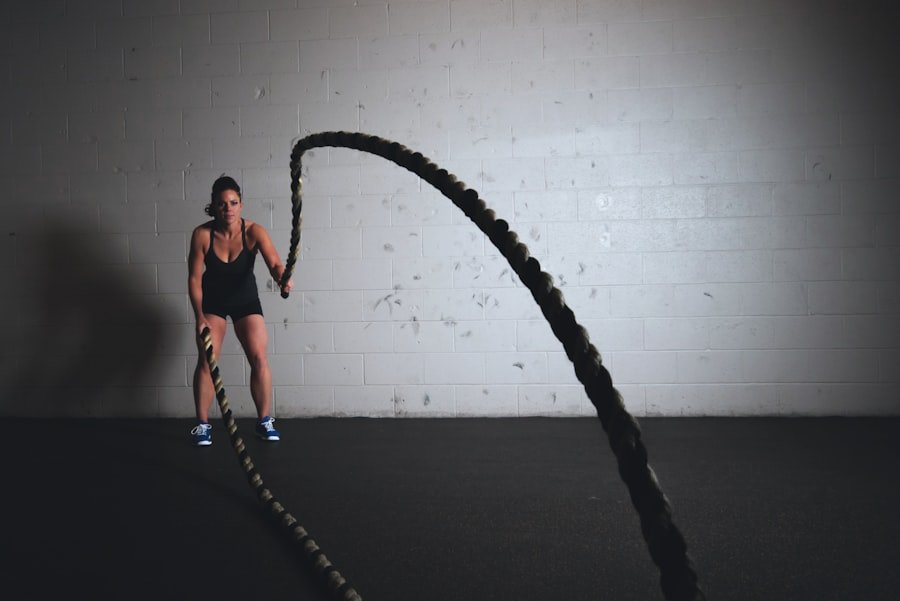
While combining gym workouts with calisthenics can be highly beneficial, there are common pitfalls that you should be aware of to maximize your success. One frequent mistake is neglecting recovery time between workouts. Both forms of training place significant demands on your body; therefore, it’s essential to allow adequate rest for muscle recovery and growth.
Overtraining can lead to fatigue and increase the risk of injury, so be sure to listen to your body and adjust your schedule accordingly. Another mistake is failing to maintain balance between the two training styles. It’s easy to become overly focused on one aspect—whether it’s lifting heavier weights in the gym or mastering advanced calisthenics moves—at the expense of the other.
Strive for equilibrium by ensuring that both elements receive equal attention in your routine. This balance will not only enhance your overall fitness but also prevent imbalances that could lead to injuries or hinder progress in either area.
Tips for Progressing in Calisthenics While Continuing to Train in the Gym
As you work towards progressing in calisthenics while maintaining your gym training regimen, consider setting specific goals for both areas. For instance, aim to increase the number of pull-ups you can perform or work towards achieving a full planche hold over time. Setting measurable goals will help keep you motivated and provide a clear path for improvement.
Additionally, tracking your progress through journaling or using fitness apps can help you stay accountable and celebrate milestones along the way. Incorporating progressive overload is another effective strategy for advancing in calisthenics while training in the gym. Just as you would gradually increase weights in traditional strength training, apply this principle to bodyweight exercises by manipulating variables such as repetitions, sets, or exercise variations.
For example, if you can comfortably perform ten push-ups, challenge yourself by trying more difficult variations like decline push-ups or archer push-ups. This approach will ensure continuous growth in both strength and skill.
The Potential Challenges of Combining Gym Workouts and Calisthenics
While merging gym workouts with calisthenics offers numerous benefits, it’s essential to acknowledge potential challenges that may arise during this process. One significant challenge is managing time effectively; balancing two distinct training styles can be demanding on your schedule. You may find it difficult to allocate sufficient time for both types of workouts without feeling rushed or overwhelmed.
To combat this issue, consider prioritizing shorter but more intense sessions that allow you to maximize efficiency without sacrificing quality. Another challenge is adapting to the different demands each training style places on your body. You may experience fatigue from high-intensity gym sessions that could impact your performance during calisthenics workouts or vice versa.
To navigate this challenge successfully, pay close attention to how your body responds to each type of training and adjust your routine accordingly. Incorporating rest days or lighter sessions when needed will help ensure that you remain energized and motivated throughout your fitness journey. By understanding these aspects of combining gym workouts with calisthenics, you can create a balanced approach that enhances your overall fitness experience while minimizing potential pitfalls along the way.
Embrace the journey ahead as an opportunity for growth—both physically and mentally—as you explore the unique benefits each training style has to offer.
FAQs
What is calisthenics?
Calisthenics is a form of exercise that uses the body’s own weight for resistance, and typically involves movements such as pushing, pulling, bending, jumping, or swinging.
Can I do gym with calisthenics?
Yes, calisthenics can be done in a gym setting. Many gyms have designated areas or equipment for calisthenics exercises, such as pull-up bars, parallel bars, and rings.
Is calisthenics a good alternative to traditional gym workouts?
Calisthenics can be a good alternative to traditional gym workouts for individuals who prefer bodyweight exercises and are looking to improve strength, flexibility, and overall fitness without the use of heavy weights or machines.
What are the benefits of calisthenics?
Some benefits of calisthenics include improved strength, flexibility, balance, and coordination. It can also be a cost-effective and convenient form of exercise, as it requires minimal equipment and can be done almost anywhere.
Can calisthenics be used for muscle building?
Yes, calisthenics can be used for muscle building. By progressively increasing the difficulty of exercises and incorporating variations, individuals can build muscle and strength through calisthenics workouts.