
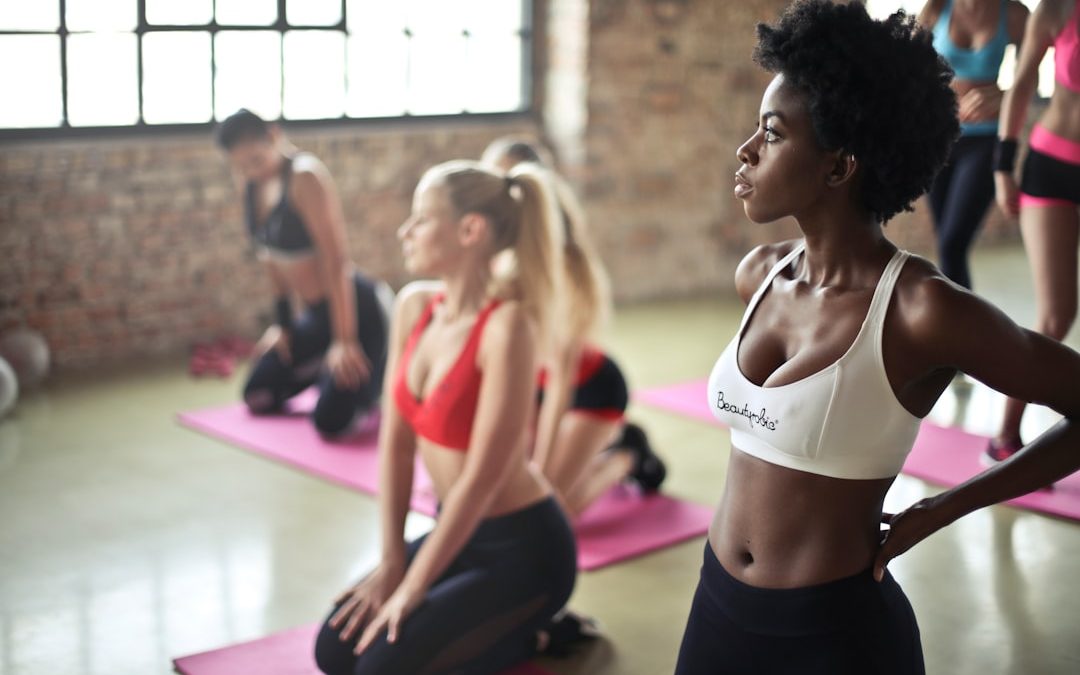
Calisthenics is a form of exercise that emphasizes the use of your body weight to build strength, flexibility, and endurance. Unlike traditional weightlifting, which often requires equipment like dumbbells or machines, calisthenics relies on movements that can be performed anywhere, making it an incredibly versatile workout option. You might find yourself doing push-ups, pull-ups, squats, and planks, all of which engage multiple muscle groups simultaneously.
This type of training not only enhances physical fitness but also promotes functional strength, allowing you to perform everyday activities with greater ease. The beauty of calisthenics lies in its accessibility. You don’t need a gym membership or expensive equipment to get started; all you need is your own body and a little bit of space.
Whether you’re at home, in a park, or traveling, you can easily fit in a workout. This adaptability makes calisthenics appealing to a wide range of individuals, from beginners looking to improve their fitness levels to seasoned athletes seeking to enhance their performance. As you delve deeper into calisthenics, you’ll discover a world of progressions and variations that can challenge you and keep your workouts fresh and engaging.
Key Takeaways
- Calisthenics is a form of exercise that uses body weight for resistance and does not require equipment.
- The benefits of calisthenics include improved strength, flexibility, and endurance, as well as increased muscle definition and fat loss.
- Calisthenics can help you get ripped by targeting multiple muscle groups and promoting muscle hypertrophy through progressive overload.
- The science behind calisthenics and muscle building involves the principles of resistance training and muscle adaptation to stress.
- You can incorporate calisthenics into your workout routine by including exercises like push-ups, pull-ups, squats, and planks, and adjusting the intensity and volume as needed.
The Benefits of Calisthenics
Engaging in calisthenics offers a multitude of benefits that extend beyond mere physical appearance. One of the most significant advantages is the improvement in overall body strength. By utilizing your body weight as resistance, you develop functional strength that translates into real-world applications.
This means that everyday tasks, such as lifting heavy objects or climbing stairs, become easier and less taxing on your body. Additionally, calisthenics promotes better coordination and balance, as many exercises require you to stabilize your body while performing movements. Another key benefit of calisthenics is its positive impact on cardiovascular health.
Many calisthenics routines incorporate high-intensity interval training (HIIT) principles, which elevate your heart rate and improve your cardiovascular endurance. This not only helps in burning calories but also enhances your overall stamina. Furthermore, calisthenics can be easily modified to suit your fitness level, making it an inclusive form of exercise.
Whether you’re a beginner or an advanced practitioner, you can tailor your workouts to meet your specific goals and capabilities.
Can Calisthenics Help You Get Ripped?
If you’re aiming for a ripped physique, calisthenics can certainly play a pivotal role in your journey. The key to achieving a well-defined body lies in the combination of strength training and fat loss, both of which calisthenics effectively addresses. As you perform bodyweight exercises, you engage multiple muscle groups, leading to increased muscle tone and definition.
Moreover, the high-intensity nature of many calisthenics workouts can help you burn calories and shed excess fat, revealing the muscles underneath. However, it’s essential to understand that getting ripped involves more than just exercise; nutrition plays a crucial role as well. To achieve a lean physique, you must maintain a balanced diet that supports your fitness goals.
This means consuming adequate protein to aid muscle recovery while also managing your caloric intake to promote fat loss. When combined with a consistent calisthenics routine, proper nutrition can significantly enhance your results and help you attain the ripped look you desire.
The Science Behind Calisthenics and Muscle Building
| Metrics | Calisthenics | Muscle Building |
|---|---|---|
| Resistance | Uses body weight | Uses weights or machines |
| Strength | Improves functional strength | Focuses on muscle hypertrophy |
| Flexibility | Improves flexibility and mobility | May not focus on flexibility |
| Equipment | Minimal equipment needed | Requires gym equipment |
| Progression | Progression based on bodyweight exercises | Progression based on increasing weights |
The science behind calisthenics and muscle building is rooted in the principles of progressive overload and muscle adaptation. When you perform bodyweight exercises, your muscles experience tension that stimulates growth. As you continue to challenge yourself with more difficult variations or increased repetitions, your muscles adapt by becoming stronger and more defined.
This process is similar to traditional weightlifting but relies solely on your body weight as resistance. Research has shown that bodyweight training can be just as effective as weight training for building muscle mass and strength. Studies indicate that individuals who engage in calisthenics can achieve significant gains in muscle size and strength when following a structured program.
Additionally, calisthenics promotes the development of functional strength by mimicking natural movement patterns, which can enhance athletic performance and reduce the risk of injury.
How to Incorporate Calisthenics into Your Workout Routine
Incorporating calisthenics into your workout routine can be both simple and rewarding. Start by assessing your current fitness level and identifying exercises that align with your goals. If you’re new to calisthenics, begin with foundational movements such as push-ups, squats, and lunges.
As you gain confidence and strength, gradually introduce more advanced exercises like muscle-ups or handstand push-ups. To create a balanced routine, aim for a mix of upper body, lower body, and core exercises. You might structure your workouts into circuits or supersets to keep your heart rate elevated while maximizing efficiency.
For instance, you could alternate between push-ups and squats for a full-body workout that targets multiple muscle groups simultaneously. Additionally, consider incorporating rest days into your schedule to allow for recovery and muscle growth.
Common Misconceptions About Calisthenics and Muscle Building
Despite its growing popularity, several misconceptions about calisthenics persist in the fitness community. One common myth is that bodyweight training is only suitable for beginners or those looking to maintain their fitness levels. In reality, calisthenics can be incredibly challenging and effective for individuals at all stages of their fitness journey.
Advanced practitioners often utilize complex movements and variations that require significant strength and skill. Another misconception is that calisthenics cannot lead to significant muscle gains compared to traditional weightlifting. While it’s true that lifting heavy weights can produce rapid results for some individuals, research indicates that well-structured calisthenics programs can yield comparable muscle growth over time.
The key lies in consistently challenging yourself with progressive variations and maintaining proper nutrition to support your goals.
Success Stories: People Who Have Achieved Ripped Physiques with Calisthenics
Many individuals have transformed their bodies through the power of calisthenics, showcasing its effectiveness in achieving ripped physiques. Take the story of a former gym-goer who struggled with motivation and consistency in traditional weightlifting. After discovering calisthenics, they found renewed enthusiasm for fitness by incorporating dynamic movements like planches and front levers into their routine.
Over time, they not only built impressive muscle definition but also developed a newfound appreciation for their physical capabilities. Another inspiring example is that of an athlete who transitioned from competitive sports to calisthenics training. By focusing on bodyweight exercises such as dips and pull-ups, they were able to sculpt a lean physique while enhancing their overall athletic performance.
Their journey highlights how calisthenics can serve as both a standalone training method and a complementary approach for those looking to diversify their fitness regimen.
Tips for Maximizing Your Calisthenics Workout for Muscle Definition
To maximize your calisthenics workout for muscle definition, consider implementing several strategies that can enhance your results. First and foremost, focus on mastering the fundamentals before progressing to more advanced movements. Building a solid foundation will not only improve your strength but also reduce the risk of injury as you tackle more challenging exercises.
In addition to mastering techniques, pay attention to your workout intensity and volume. Incorporate high-repetition sets or circuit training to keep your heart rate elevated while promoting muscle endurance. Furthermore, consider varying your routines regularly to prevent plateaus and keep your workouts engaging.
Lastly, prioritize recovery by allowing adequate rest between sessions and ensuring proper nutrition to fuel your body’s needs. By embracing these tips and committing to a consistent calisthenics practice, you’ll be well on your way to achieving the muscle definition you desire while enjoying the numerous benefits this versatile form of exercise has to offer.
FAQs
What is calisthenics?
Calisthenics is a form of exercise that uses the body’s own weight for resistance, and typically involves movements such as push-ups, pull-ups, squats, and lunges.
Can you get ripped doing calisthenics?
Yes, it is possible to get ripped doing calisthenics. By consistently performing challenging bodyweight exercises and following a proper diet, individuals can build muscle and achieve a ripped physique.
What are the benefits of calisthenics for building muscle?
Calisthenics can help build muscle by providing resistance through bodyweight exercises, improving strength, endurance, and flexibility. It also allows for functional strength and can be done anywhere without the need for equipment.
Is it necessary to use weights to get ripped, or can calisthenics alone achieve this goal?
While weights can be helpful for building muscle, calisthenics alone can also be effective for getting ripped. By progressively increasing the difficulty of bodyweight exercises and maintaining a proper diet, individuals can achieve a ripped physique through calisthenics.
Are there specific calisthenics exercises that are particularly effective for getting ripped?
Exercises such as pull-ups, push-ups, dips, and bodyweight squats are particularly effective for building muscle and getting ripped through calisthenics. Additionally, incorporating variations and progressions of these exercises can further enhance muscle development.