
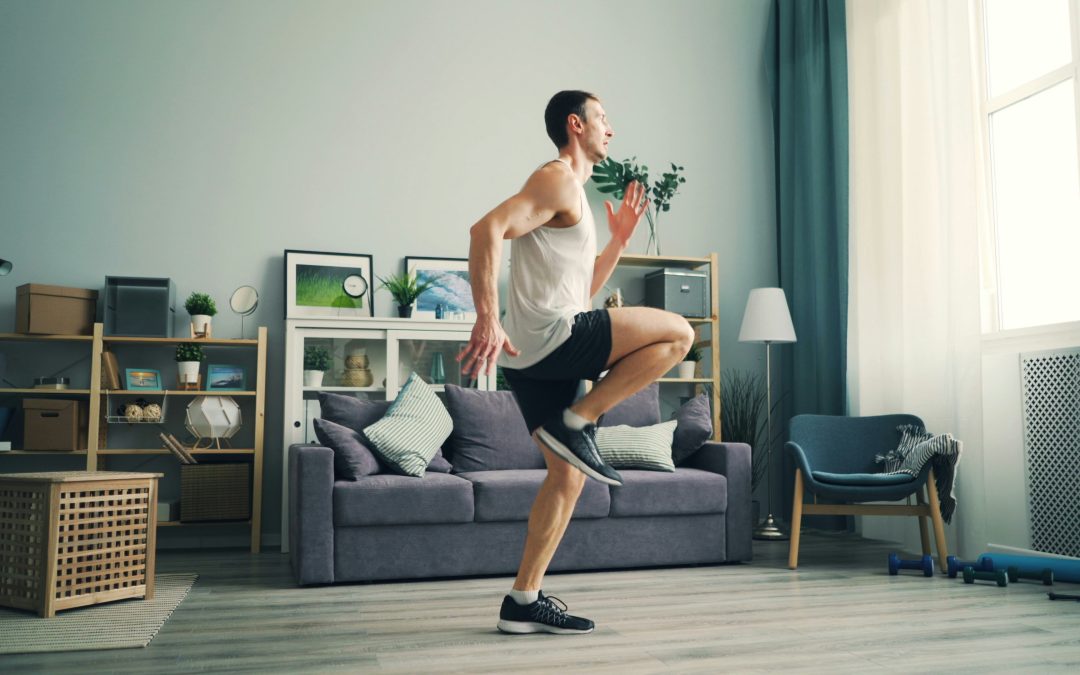
Calisthenics is a form of exercise that emphasizes the use of body weight for resistance, allowing individuals to develop strength, flexibility, and endurance without the need for specialized equipment. Originating from the Greek words “kallos” (beauty) and “sthenos” (strength), calisthenics embodies the idea of achieving physical fitness through graceful and controlled movements. This discipline has roots that trace back to ancient civilizations, where it was utilized by soldiers and athletes to enhance their physical capabilities.
In modern times, calisthenics has gained popularity as a versatile workout method that can be performed anywhere, making it accessible to a wide range of fitness enthusiasts. The beauty of calisthenics lies in its adaptability; it can be tailored to suit various fitness levels, from beginners to advanced practitioners. With a focus on functional movements, calisthenics not only builds muscle but also improves coordination, balance, and overall body awareness.
As more people seek efficient and effective workout solutions, calisthenics stands out as a practical choice that requires minimal space and equipment. This article will delve into the numerous benefits of calisthenics, how to set up a home workout space, essential exercises for different skill levels, and tips for creating a well-rounded routine. Calisthenics is a great way to build strength and flexibility using just your body weight.
Key Takeaways
- Calisthenics is a form of exercise that uses body weight for resistance and does not require equipment.
- Benefits of calisthenics include improved strength, flexibility, and balance, as well as increased muscle definition and endurance.
- Setting up a home calisthenics workout space can be as simple as clearing a small area and using a yoga mat or exercise mat.
- Warm-up exercises for calisthenics should include dynamic movements to increase blood flow and prepare the muscles for activity.
- Basic calisthenics exercises for beginners include push-ups, squats, lunges, and planks, which can be modified to suit individual fitness levels.
Benefits of Calisthenics
Engaging in calisthenics offers a plethora of benefits that extend beyond mere physical appearance. One of the most significant advantages is the development of functional strength. Unlike traditional weightlifting, which often isolates specific muscle groups, calisthenics promotes the use of multiple muscle groups simultaneously.
This holistic approach not only enhances strength but also improves overall body mechanics, making everyday activities easier and reducing the risk of injury. Moreover, calisthenics is an excellent way to improve flexibility and mobility. Many calisthenic exercises require a full range of motion, which helps to stretch and strengthen muscles simultaneously.
For instance, movements like the deep squat or the overhead press encourage joint mobility and muscle elasticity. This increased flexibility can lead to better posture and reduced muscle tension, contributing to overall well-being. Additionally, calisthenics can be performed at varying intensities, making it suitable for individuals at different fitness levels, from those just starting their fitness journey to seasoned athletes looking for new challenges.
Setting up a Home Calisthenics Workout Space
Creating an effective home workout space for calisthenics requires minimal investment and thoughtful organization. The first step is to identify a suitable area in your home that provides enough room for movement. Ideally, this space should be free from clutter and have enough ceiling height for exercises that involve jumping or raising your arms overhead.
A living room, garage, or even a backyard can serve as an excellent location for your workouts. Once you have designated your workout area, consider adding some basic equipment to enhance your training experience. While calisthenics primarily relies on body weight, incorporating items like resistance bands, a pull-up bar, or a sturdy surface for elevated push-ups can add variety to your routine.
A yoga mat can also provide comfort during floor exercises and stretches. Additionally, having a mirror nearby can help you monitor your form and ensure that you are performing exercises correctly, which is crucial for preventing injuries and maximizing effectiveness.
Warm-Up Exercises for Calisthenics
| Exercise | Description | Repetitions |
|---|---|---|
| Jumping Jacks | Start with feet together and arms at your sides, then jump to a position with legs apart and arms overhead. | 20-30 |
| Arm Circles | Extend your arms out to the sides and make small, circular motions with your arms. | 10-15 forward, 10-15 backward |
| Leg Swings | Stand on one leg and swing the other leg forward and backward, keeping it straight. | 10-15 each leg |
| High Knees | Run in place, lifting your knees as high as possible with each step. | 20-30 |
Warming up before engaging in any physical activity is essential for preparing the body and reducing the risk of injury. A proper warm-up increases blood flow to the muscles, enhances flexibility, and mentally prepares you for the workout ahead. For calisthenics, a dynamic warm-up is particularly beneficial as it mimics the movements you will perform during your workout.
A well-rounded warm-up might include exercises such as arm circles, leg swings, and torso twists to mobilize the joints and activate the muscles. For instance, performing 10-15 arm circles in each direction can help loosen the shoulders, while leg swings can improve hip mobility. Additionally, incorporating movements like high knees or butt kicks can elevate your heart rate and prepare your cardiovascular system for more intense activity.
Spending 5-10 minutes on a dynamic warm-up will not only enhance your performance but also set a positive tone for your workout session.
Basic Calisthenics Exercises for Beginners
For those new to calisthenics, starting with foundational exercises is crucial for building strength and confidence. Bodyweight squats are an excellent starting point; they engage multiple muscle groups including the quadriceps, hamstrings, and glutes while also promoting proper form and balance. To perform a bodyweight squat, stand with your feet shoulder-width apart, lower your hips back as if sitting in a chair, and keep your chest lifted throughout the movement.
Push-ups are another fundamental exercise that targets the chest, shoulders, and triceps while also engaging the core. Beginners can modify push-ups by performing them on their knees or against a wall until they build enough strength to execute full push-ups. Additionally, planks are an effective way to develop core stability; starting with a basic forearm plank position allows beginners to focus on maintaining proper alignment without straining their lower back.
Incorporating these basic exercises into a routine will lay a solid foundation for progressing to more advanced movements.
Intermediate Calisthenics Exercises for Building Strength
Once individuals have mastered basic calisthenics exercises, they can transition into intermediate movements that challenge their strength and coordination further. One such exercise is the dip, which primarily targets the triceps while also engaging the chest and shoulders. Dips can be performed using parallel bars or even sturdy furniture like chairs or benches at home.
To execute a dip correctly, lower your body by bending your elbows while keeping your shoulders down and back before pushing yourself back up. Another effective intermediate exercise is the pull-up, which significantly strengthens the upper body and engages multiple muscle groups including the back, biceps, and forearms. For those who may struggle with traditional pull-ups initially, assisted variations using resistance bands or performing negative pull-ups (lowering oneself slowly from the top position) can help build the necessary strength over time.
Incorporating these intermediate exercises into a routine not only enhances muscular endurance but also prepares individuals for more advanced calisthenics challenges.
Advanced Calisthenics Exercises for Challenging Workouts
For seasoned practitioners looking to push their limits further, advanced calisthenics exercises offer an exciting way to challenge both strength and skill. One such exercise is the muscle-up, which combines a pull-up with a dip in one fluid motion. This demanding movement requires significant upper body strength and coordination; mastering it often involves extensive practice with both pull-ups and dips separately before attempting to combine them.
Another advanced movement is the handstand push-up, which targets the shoulders and triceps while requiring balance and core stability. Practicing handstands against a wall can help build confidence before attempting freestanding variations or incorporating push-ups into the movement. Additionally, skills like planche holds or front levers demand exceptional strength and control; these exercises require dedicated training focused on building specific muscle groups over time.
Engaging in these advanced movements not only enhances physical capabilities but also fosters a sense of accomplishment as practitioners achieve new milestones in their fitness journey.
Creating a Calisthenics Workout Routine
Designing an effective calisthenics workout routine involves balancing various exercises to target different muscle groups while ensuring adequate recovery time. A well-structured routine might include a combination of push exercises (like push-ups), pull exercises (such as pull-ups), leg exercises (like squats), and core work (such as planks). For example, a full-body workout could consist of three sets of 10-15 repetitions of each exercise with rest intervals in between.
Incorporating progressive overload is essential for continued improvement; this can be achieved by increasing repetitions or sets over time or by advancing to more challenging variations of each exercise. Additionally, scheduling workouts throughout the week allows for recovery days where specific muscle groups can rest while others are engaged. For instance, alternating between upper body-focused workouts one day and lower body workouts another day can optimize recovery while maintaining consistent training frequency.
Incorporating Cardio into Calisthenics Workouts
While calisthenics primarily focuses on strength training through bodyweight exercises, integrating cardiovascular elements can enhance overall fitness levels and promote fat loss. High-intensity interval training (HIIT) is an effective way to combine cardio with calisthenics; this approach involves alternating between short bursts of intense activity followed by brief rest periods. For example, performing burpees or jumping jacks in between sets of strength exercises can elevate heart rates while maintaining muscle engagement.
Another method of incorporating cardio is through circuit training; this involves moving quickly from one exercise to another with minimal rest in between. A sample circuit might include push-ups followed by squat jumps and mountain climbers, creating an efficient workout that builds both strength and cardiovascular endurance simultaneously. By blending cardio with calisthenics workouts, individuals can achieve comprehensive fitness results while keeping their routines dynamic and engaging.
Tips for Progressing in Calisthenics
Progressing in calisthenics requires patience and consistency; setting realistic goals is crucial for maintaining motivation throughout the journey. Tracking progress through journaling or using fitness apps can help individuals stay accountable while providing insight into their improvements over time. Celebrating small victories—such as completing an additional set or mastering a new exercise—can foster a positive mindset that encourages continued effort.
Additionally, focusing on form is paramount when progressing in calisthenics; prioritizing quality over quantity ensures that movements are performed safely and effectively. Engaging in regular assessments of technique through video recordings or feedback from experienced practitioners can help identify areas for improvement. Lastly, varying workouts by introducing new exercises or changing routines periodically prevents plateaus and keeps training fresh and exciting.
Embracing the Versatility of Calisthenics
Calisthenics stands out as an incredibly versatile form of exercise that caters to individuals at all fitness levels while promoting functional strength and overall well-being. Its adaptability allows practitioners to create personalized routines that align with their goals—whether they seek to build muscle, improve endurance, or enhance flexibility. By establishing a dedicated workout space at home, incorporating essential warm-ups and exercises across various skill levels, and embracing progressive training methods, anyone can embark on a fulfilling journey through calisthenics.
As individuals explore this dynamic discipline further—integrating cardio elements or challenging themselves with advanced movements—they will discover not only physical transformations but also mental resilience cultivated through dedication and perseverance. Ultimately, embracing calisthenics opens doors to endless possibilities in fitness while fostering a sense of community among those who share this passion for movement and self-improvement.
FAQs
What is calisthenics?
Calisthenics is a form of exercise that uses body weight for resistance and does not require any equipment. It includes movements such as push-ups, pull-ups, squats, and lunges.
What are the benefits of calisthenics?
Calisthenics can improve strength, flexibility, and cardiovascular fitness. It also helps to improve body control, coordination, and balance. Additionally, it can be done anywhere without the need for a gym or equipment.
Can calisthenics be done at home?
Yes, calisthenics can be easily done at home as it does not require any equipment. All you need is some space to move around and perform the exercises.
What are some common calisthenics exercises for a home workout?
Common calisthenics exercises for a home workout include push-ups, squats, lunges, planks, burpees, and various types of bodyweight exercises.
Is calisthenics suitable for beginners?
Yes, calisthenics can be suitable for beginners as it allows for gradual progression and can be modified to suit different fitness levels.
Are there any risks associated with calisthenics home workouts?
As with any form of exercise, there is a risk of injury if proper form and technique are not followed. It is important to start with the basics and gradually progress to more advanced movements to reduce the risk of injury.
Can calisthenics help with weight loss?
Yes, calisthenics can help with weight loss as it is a form of exercise that can increase muscle mass and boost metabolism, leading to a higher calorie burn. When combined with a healthy diet, calisthenics can be an effective tool for weight loss.