
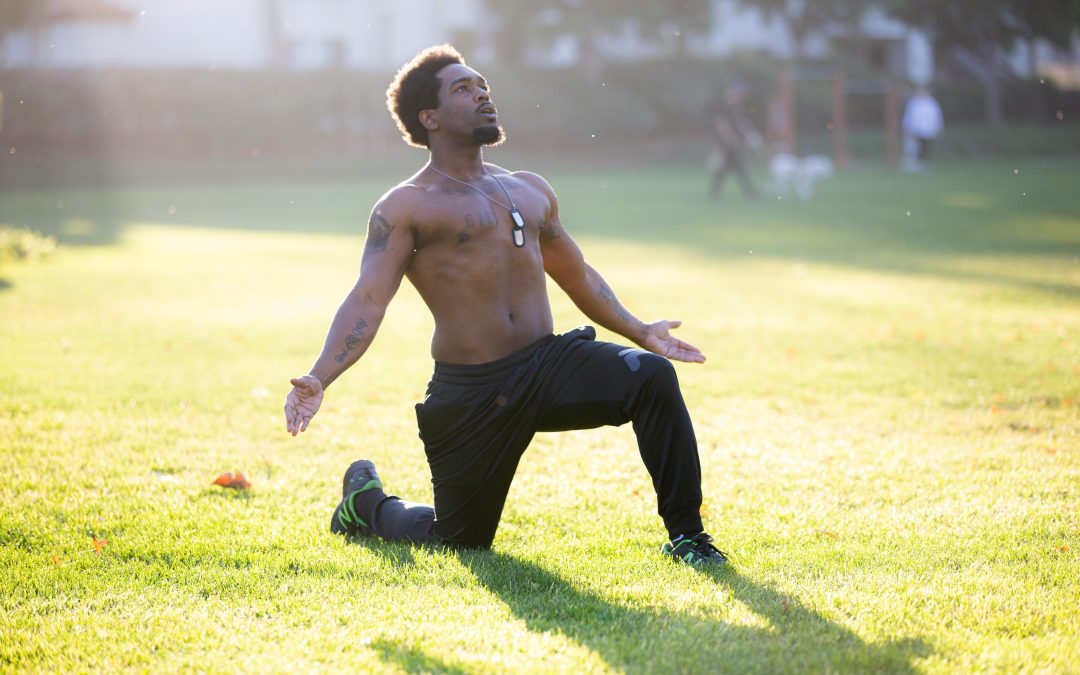
Calisthenics and weight training are two popular forms of exercise that have garnered significant attention in the fitness community. Calisthenics, often referred to as bodyweight training, utilizes the individual’s own weight as resistance to build strength, flexibility, and endurance. Exercises such as push-ups, pull-ups, squats, and planks are foundational movements in this discipline.
On the other hand, weight training involves the use of external weights, such as dumbbells, barbells, and machines, to create resistance against muscle contractions. This method is often associated with bodybuilding and strength training, focusing on hypertrophy and maximal strength gains. Both calisthenics and weight training offer unique advantages and can be tailored to suit various fitness levels and goals.
While calisthenics emphasizes functional movement patterns and can be performed anywhere with minimal equipment, weight training allows for precise control over resistance levels and targeted muscle engagement. Understanding the nuances of each approach can help individuals make informed decisions about their fitness journeys, whether they are looking to build muscle, improve athletic performance, or enhance overall health. <a href="https://hc-fit.co.uk/”>Calisthenics is a great way to build strength and flexibility using just your body weight.
Key Takeaways
- Calisthenics and weight training are both effective forms of exercise that can help improve strength, muscle building, and weight loss.
- Calisthenics focuses on using body weight for resistance, while weight training involves using external weights or resistance machines.
- Calisthenics can be more accessible and convenient as it requires minimal equipment and can be done anywhere, while weight training may require access to a gym or specific equipment.
- Both forms of exercise can help prevent injuries by improving overall strength and stability, but proper form and technique are crucial for injury prevention.
- The best option for you depends on your individual goals, preferences, and access to equipment, but incorporating both calisthenics and weight training can provide a well-rounded fitness routine.
Benefits of Calisthenics
One of the most significant benefits of calisthenics is its ability to improve functional strength. By engaging multiple muscle groups simultaneously, calisthenics promotes coordination and balance, which are essential for everyday activities. For instance, exercises like the squat not only strengthen the legs but also engage the core and improve stability.
This holistic approach to strength training can lead to better performance in sports and daily tasks, reducing the risk of injury. Additionally, calisthenics is highly adaptable to various fitness levels. Beginners can start with modified versions of exercises, such as knee push-ups or assisted pull-ups, while advanced practitioners can progress to more challenging variations like one-arm push-ups or muscle-ups.
This scalability makes calisthenics an inclusive form of exercise that can accommodate individuals at different stages of their fitness journeys. Furthermore, because it often requires little to no equipment, calisthenics can be performed in a variety of settings, from parks to living rooms, making it accessible to a broader audience.
Benefits of Weight Training
Weight training offers a distinct set of benefits that cater to those seeking to increase muscle mass and strength. One of the primary advantages is the ability to precisely control the amount of resistance applied during workouts. This control allows for progressive overload, a fundamental principle in strength training that involves gradually increasing the weight lifted over time.
By consistently challenging the muscles with heavier loads, individuals can stimulate hypertrophy and achieve significant gains in muscle size and strength. Moreover, weight training has been shown to have a positive impact on metabolic rate. Muscle tissue is metabolically active, meaning that it burns calories even at rest.
As individuals increase their muscle mass through weight training, they may experience an elevation in their resting metabolic rate, which can aid in weight management and fat loss. Additionally, weight training can enhance bone density, reducing the risk of osteoporosis and fractures as individuals age. This dual benefit of building muscle while promoting skeletal health makes weight training an essential component of a well-rounded fitness regimen.
Differences in Muscle Activation
| Exercise | Muscle Group | Activation Level |
|---|---|---|
| Squats | Quadriceps | High |
| Deadlifts | Hamstrings | High |
| Bench Press | Chest | High |
| Shoulder Press | Deltoids | High |
The differences in muscle activation between calisthenics and weight training are noteworthy and can influence an individual’s choice of exercise modality. Calisthenics typically engages multiple muscle groups simultaneously due to the nature of bodyweight movements. For example, during a pull-up, not only are the latissimus dorsi muscles activated but also the biceps, shoulders, and core muscles must work together to stabilize the body throughout the movement.
This multi-joint engagement fosters functional strength that translates well into real-world activities. In contrast, weight training often allows for more isolated muscle activation. By using machines or free weights, individuals can target specific muscles with greater precision.
For instance, performing a bicep curl primarily engages the biceps brachii while minimizing involvement from other muscle groups. This isolation can be beneficial for bodybuilders or athletes looking to enhance specific muscle areas for aesthetic or performance reasons. However, it may not provide the same level of functional strength development as calisthenics due to the lack of multi-joint engagement.
Differences in Equipment
The equipment used in calisthenics and weight training further distinguishes these two forms of exercise. Calisthenics primarily relies on bodyweight as resistance, which means that minimal equipment is required. Common tools include pull-up bars, dip bars, and resistance bands; however, many exercises can be performed without any equipment at all.
This simplicity allows individuals to engage in calisthenics virtually anywhere—at home, in parks, or while traveling—making it an incredibly versatile option. In contrast, weight training necessitates a range of equipment that can vary from basic dumbbells to complex machines found in gyms. Free weights like barbells and kettlebells allow for a wide variety of exercises targeting different muscle groups but require access to a gym or a well-equipped home gym setup for optimal use.
Machines provide guided movements that can help beginners learn proper form but may limit the range of motion compared to free weights or bodyweight exercises. The need for specialized equipment can make weight training less accessible for some individuals compared to calisthenics.
Considerations for Injury Prevention
Injury prevention is a critical aspect of any exercise regimen, and both calisthenics and weight training come with their own considerations in this regard. Calisthenics emphasizes body awareness and control through functional movements that often mimic natural patterns of movement. However, improper form or overtraining can lead to injuries such as strains or joint pain.
It is essential for practitioners to focus on mastering basic movements before progressing to more advanced variations. Additionally, incorporating adequate warm-up routines and mobility work can help mitigate injury risks associated with calisthenics. Weight training also presents its own set of injury risks, particularly when lifting heavy weights without proper technique.
Common injuries include strains and sprains resulting from poor form or inadequate warm-up practices. To minimize these risks, individuals should prioritize learning correct lifting techniques and consider working with a qualified trainer when starting out. Furthermore, ensuring that workouts include balanced routines targeting all major muscle groups can help prevent imbalances that may lead to injuries over time.
Effectiveness for Strength and Muscle Building
When it comes to building strength and muscle mass, both calisthenics and weight training have proven effective but may yield different results based on individual goals and preferences. Weight training is often regarded as the gold standard for hypertrophy due to its ability to provide targeted resistance and facilitate progressive overload effectively. Research has shown that individuals who engage in structured weight training programs tend to experience greater increases in muscle size compared to those who rely solely on bodyweight exercises.
However, calisthenics should not be underestimated in its capacity for strength development. Advanced bodyweight movements such as planches or front levers require significant strength and control that can rival traditional weightlifting exercises. Moreover, calisthenics promotes functional strength that enhances overall athletic performance by improving coordination and stability across multiple joints.
For those who prioritize functional fitness or enjoy dynamic movement patterns, calisthenics can be an equally effective method for building strength.
Effectiveness for Weight Loss
Both calisthenics and weight training can play significant roles in weight loss efforts; however, their effectiveness may vary based on individual preferences and workout styles. Calisthenics often incorporates high-intensity interval training (HIIT) principles by combining strength exercises with minimal rest periods. This approach elevates heart rates and promotes calorie burning during workouts while also enhancing cardiovascular fitness.
The ability to perform calisthenics anywhere makes it easier for individuals to maintain consistency in their routines—an essential factor for successful weight loss. Weight training also contributes to weight loss by increasing muscle mass and boosting metabolic rate over time. While traditional weightlifting sessions may not burn as many calories during the workout itself compared to high-intensity calisthenics sessions, the afterburn effect—known scientifically as excess post-exercise oxygen consumption (EPOC)—can lead to increased calorie expenditure post-workout.
This means that individuals who engage in regular weight training may continue burning calories long after their sessions have ended.
Accessibility and Convenience
Accessibility is a crucial factor when considering any fitness program, and here calisthenics shines brightly due to its minimal equipment requirements and adaptability to various environments. Individuals can perform bodyweight exercises at home without any specialized gear or even outdoors using park facilities like benches or bars. This convenience allows for greater flexibility in scheduling workouts around busy lifestyles or travel commitments.
Weight training typically requires access to a gym or a well-equipped home setup with weights and machines. While many gyms offer memberships at reasonable prices, not everyone has access or feels comfortable working out in a gym environment. Additionally, purchasing weights for home use can represent a significant financial investment upfront.
For those who prefer a more spontaneous approach to fitness or lack access to gym facilities, calisthenics provides an appealing alternative that encourages regular physical activity without barriers.
Incorporating Both Calisthenics and Weight Training
For individuals seeking a comprehensive fitness regimen that maximizes the benefits of both calisthenics and weight training, incorporating elements from both modalities can be highly effective. A balanced program might include bodyweight exercises for functional strength development alongside traditional weightlifting sessions targeting specific muscle groups for hypertrophy. This hybrid approach allows individuals to enjoy the advantages of both methods while minimizing potential drawbacks.
For example, one might structure their weekly routine by dedicating certain days to weight training focused on compound lifts like squats and deadlifts while reserving other days for high-intensity calisthenics circuits that emphasize endurance and agility. This combination not only keeps workouts varied and engaging but also promotes overall fitness by addressing different aspects such as strength, endurance, flexibility, and coordination.
Choosing the Best Option for You
Ultimately, the choice between calisthenics and weight training depends on individual goals, preferences, and circumstances. Those seeking functional strength development with minimal equipment may find calisthenics more appealing due to its versatility and accessibility. Conversely, individuals focused on maximizing muscle hypertrophy or specific strength gains might lean towards traditional weight training methods that allow for precise control over resistance levels.
Regardless of the chosen path—whether it be calisthenics, weight training, or a combination of both—the most important factor remains consistency and enjoyment in one’s fitness journey. By understanding the unique benefits each approach offers, individuals can tailor their workouts to align with their personal goals while fostering a sustainable lifestyle centered around health and wellness.
FAQs
What is calisthenics?
Calisthenics is a form of exercise that uses the body’s own weight for resistance, and typically involves movements such as push-ups, pull-ups, squats, and lunges. It is often performed without the use of equipment, although some variations may incorporate items such as resistance bands or bars.
What is weight training?
Weight training, also known as strength training or resistance training, involves using external weights or resistance machines to build muscle strength and endurance. This can include exercises such as lifting free weights, using weight machines, or performing bodyweight exercises with added resistance.
What are the benefits of calisthenics?
Calisthenics can improve strength, flexibility, and cardiovascular fitness. It also helps to develop body control, coordination, and balance. Additionally, calisthenics can be performed anywhere without the need for specialized equipment, making it a convenient form of exercise.
What are the benefits of weight training?
Weight training can help increase muscle mass, improve bone density, and boost metabolism. It also enhances overall strength and power, and can be tailored to target specific muscle groups. Additionally, weight training can aid in injury prevention and rehabilitation.
What are the differences between calisthenics and weight training?
Calisthenics primarily uses the body’s own weight for resistance, while weight training involves the use of external weights or resistance machines. Calisthenics focuses on functional movements and bodyweight exercises, while weight training allows for more targeted muscle isolation and the ability to progressively increase resistance.
Which is better, calisthenics or weight training?
The effectiveness of calisthenics versus weight training depends on individual fitness goals and preferences. Calisthenics is beneficial for improving overall body strength and functional movement patterns, while weight training allows for more precise muscle targeting and the ability to progressively increase resistance. Both forms of exercise can be valuable components of a well-rounded fitness routine.