
Calisthenics and weight training represent two primary methodologies for resistance exercise, each employing different mechanisms to stimulate muscular adaptation. Calisthenics utilizes bodyweight as the primary resistance source, incorporating exercises such as push-ups, pull-ups, squats, and planks. These movements require no external equipment and can be performed in various environments, making this training modality highly accessible.
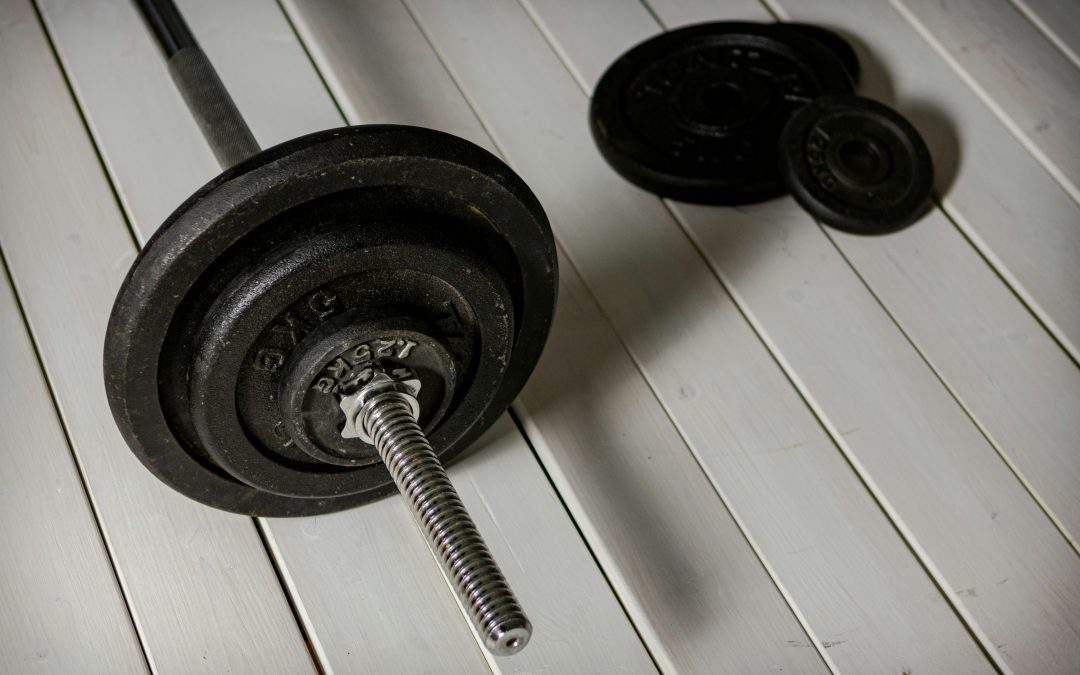
Weight training employs external resistance through implements including dumbbells, barbells, resistance machines, and other weighted apparatus to create progressive overload on targeted muscle groups. The selection between these training approaches depends on multiple factors including specific fitness objectives, individual preferences, equipment availability, and training experience. Both methodologies demonstrate efficacy in improving muscular strength, endurance, and body composition, though they differ in their implementation and specific adaptations.
Calisthenics emphasizes functional movement patterns and relative strength development, while weight training allows for precise load manipulation and targeted muscle isolation. Research indicates that both calisthenics and weight training can produce comparable improvements in strength and muscle mass when volume and intensity are appropriately matched. Many fitness professionals recommend incorporating elements from both approaches to maximize training benefits and address potential limitations inherent in either method alone.
This integrated approach allows for comprehensive physical development while maintaining training variety and reducing the risk of overuse injuries.
Key Takeaways
- Calisthenics enhances functional strength, bodyweight control, and mobility using minimal equipment.
- Weight training is effective for muscle hypertrophy and allows for progressive overload with varied equipment.
- Muscle activation differs between calisthenics and weight training, influencing training outcomes.
- Accessibility varies: calisthenics requires little to no equipment, while weight training often needs gym access or weights.
- Balancing both methods can optimize strength, muscle growth, and injury prevention.
Benefits of Calisthenics
One of the most significant benefits of calisthenics is its inherent accessibility. Since these exercises primarily rely on body weight, they can be performed virtually anywhere—at home, in a park, or even in a hotel room while traveling. This flexibility eliminates the need for expensive gym memberships or specialized equipment, making it an ideal choice for those who may be new to fitness or who prefer a minimalist approach.
Furthermore, calisthenics can be easily modified to suit various fitness levels. Beginners can start with basic movements like wall push-ups or assisted squats, while more advanced practitioners can progress to challenging variations such as one-arm push-ups or muscle-ups. Calisthenics also promotes functional strength, which is the ability to perform everyday activities with ease.
By engaging multiple muscle groups simultaneously and emphasizing core stability, calisthenics enhances overall body coordination and balance. For instance, exercises like the pistol squat not only build leg strength but also require significant core engagement and balance control. This functional aspect of calisthenics translates into improved performance in daily tasks and sports activities, making it a practical choice for individuals looking to enhance their overall physical capabilities. You can improve your strength and flexibility by practicing calisthenics regularly.
Benefits of Weight Training

Weight training offers a plethora of benefits that cater to those seeking to increase muscle mass and strength. One of the primary advantages is the ability to target specific muscle groups with precision. By utilizing various equipment such as dumbbells, barbells, and resistance machines, individuals can isolate muscles for focused development.
For example, exercises like bench presses primarily target the chest muscles while allowing for variations that can emphasize the triceps or shoulders. This targeted approach is particularly beneficial for bodybuilders or athletes aiming to enhance performance in specific sports. Another significant benefit of weight training is its effectiveness in promoting muscle hypertrophy—the increase in muscle size due to resistance training.
When individuals lift weights, they create micro-tears in their muscle fibers, which then repair and grow back stronger during recovery periods. This process is further enhanced by progressive overload, where individuals gradually increase the weight or resistance over time. As a result, weight training not only builds strength but also contributes to a more aesthetically pleasing physique.
The ability to track progress through measurable increases in weight lifted provides motivation and a sense of accomplishment for many individuals.
Differences in Muscle Activation
The differences in muscle activation between calisthenics and weight training are noteworthy and can significantly influence training outcomes. In calisthenics, exercises often engage multiple muscle groups simultaneously due to the nature of bodyweight movements. For instance, during a pull-up, not only are the back muscles activated but also the biceps, shoulders, and core muscles must work together to stabilize the body throughout the movement.
This multi-joint engagement fosters a more holistic approach to strength development and enhances overall functional fitness. Conversely, weight training allows for more targeted muscle activation through isolation exercises. For example, performing a bicep curl primarily engages the biceps brachii while minimizing involvement from other muscle groups.
This specificity can be advantageous for individuals looking to correct muscle imbalances or focus on particular areas of development. However, it may not provide the same level of functional strength that calisthenics offers since many weight training exercises do not require the same degree of coordination and stability that bodyweight movements demand.
Differences in Equipment and Accessibility
| Metric | Calisthenics | Weight Training |
|---|---|---|
| Primary Focus | Bodyweight exercises (e.g., push-ups, pull-ups) | External weights (e.g., dumbbells, barbells) |
| Muscle Growth Potential | Moderate to high (depends on progression and variations) | High (easier to progressively overload with weights) |
| Strength Development | Functional strength, relative to bodyweight | Absolute strength, can target specific muscles |
| Flexibility & Mobility | Often improves due to dynamic movements | Depends on routine; may require additional stretching |
| Equipment Needed | Minimal or none (pull-up bar optional) | Requires weights and machines |
| Cost | Low (mostly free or minimal equipment) | Varies (gym membership or equipment purchase) |
| Injury Risk | Lower if performed with proper form | Higher if lifting heavy weights improperly |
| Calorie Burn | Moderate to high (bodyweight circuits) | Moderate (depends on intensity and rest periods) |
| Suitability for Beginners | Highly suitable, scalable difficulty | Suitable but requires learning proper technique |
| Progression Method | Increasing reps, sets, or exercise difficulty | Increasing weight, reps, or sets |
When comparing calisthenics and weight training, equipment requirements play a crucial role in determining accessibility. Calisthenics is inherently equipment-light; most exercises can be performed using just one’s body weight. While some practitioners may choose to incorporate minimal equipment like resistance bands or gymnastic rings for added challenge or variety, these are not strictly necessary for effective workouts.
This lack of reliance on equipment makes calisthenics an appealing option for those who may not have access to a gym or prefer exercising outdoors. In contrast, weight training typically requires access to various equipment such as dumbbells, barbells, kettlebells, and machines. While many gyms offer a wide range of options for resistance training, individuals who prefer working out at home may need to invest in equipment that can be costly and space-consuming.
However, advancements in home gym technology have made it easier for individuals to create effective workout spaces at home with adjustable weights or compact machines. Despite this progress, the initial investment in equipment can still be a barrier for some individuals compared to the low-cost nature of calisthenics.
Calisthenics for Functional Strength

Calisthenics is particularly renowned for its ability to develop functional strength—strength that translates into real-world activities and movements. The emphasis on compound movements that engage multiple joints and muscle groups fosters a level of coordination and balance that is often lacking in traditional weight training routines. For example, exercises like handstands or planches require not only upper body strength but also core stability and balance control.
These skills are invaluable in everyday life situations where coordination and body awareness are essential. Moreover, calisthenics encourages body awareness through proprioception—the sense of how one’s body moves in space. As practitioners progress through various movements and challenges, they develop a deeper understanding of their body mechanics and capabilities.
This heightened awareness can lead to improved athletic performance in sports that require agility and coordination. Additionally, because calisthenics often involves dynamic movements that mimic real-life activities—such as jumping or climbing—it prepares individuals for physical challenges outside the gym environment.
Weight Training for Muscle Hypertrophy
Weight training is widely recognized as one of the most effective methods for achieving muscle hypertrophy—the increase in muscle size through resistance training. The principle of progressive overload is central to this process; by gradually increasing the weights lifted over time, individuals stimulate muscle growth by forcing their bodies to adapt to greater demands. This adaptation occurs through a combination of mechanical tension, metabolic stress, and muscle damage—all critical factors in promoting hypertrophy.
Furthermore, weight training allows for precise control over variables such as volume (the total amount of weight lifted), intensity (the amount of weight relative to one’s maximum), and frequency (how often muscles are trained). This level of control enables individuals to tailor their workouts specifically for hypertrophy by manipulating these variables according to their goals. For instance, many bodybuilders follow specific rep ranges—typically between 6-12 repetitions per set—to maximize muscle growth while balancing recovery needs.
The structured nature of weight training programs makes it easier for individuals to track progress and make adjustments as needed.
Calisthenics for Bodyweight Control and Mobility
Calisthenics excels in promoting bodyweight control and mobility—two essential components of overall fitness that are often overlooked in traditional weight training programs. The requirement to stabilize one’s body during various movements fosters an understanding of balance and control that translates into improved athletic performance and daily activities. Exercises such as lunges or single-leg squats challenge stability while simultaneously building strength in the lower body.
Mobility is another critical aspect addressed by calisthenics. Many bodyweight exercises require a full range of motion at various joints, promoting flexibility and joint health. Movements like deep squats or dynamic stretches encourage lengthening of muscles while improving joint function.
This focus on mobility not only enhances performance but also reduces the risk of injury by ensuring that muscles and joints are prepared for physical demands. As individuals become more adept at controlling their body weight through calisthenics, they often find improvements in their overall movement patterns and athletic capabilities.
Weight Training for Progressive Overload
Progressive overload is a cornerstone principle in weight training that emphasizes gradually increasing resistance to stimulate muscle growth and strength gains over time. This concept is fundamental for anyone looking to make consistent progress in their fitness journey. By systematically increasing weights or resistance levels—whether through adding more plates on a barbell or increasing the resistance on a machine—individuals challenge their muscles beyond their current capabilities.
The structured nature of weight training programs allows for meticulous tracking of progress through metrics such as weights lifted, repetitions completed, and sets performed. This data-driven approach provides clear benchmarks for improvement and motivates individuals to push their limits continually. Additionally, many lifters utilize periodization strategies—planned variations in intensity and volume over time—to optimize their training cycles for maximum gains while minimizing the risk of plateaus or overtraining.
Considerations for Injury Prevention
Injury prevention is a critical consideration when engaging in any form of exercise, whether it be calisthenics or weight training. Both modalities carry inherent risks if not performed with proper technique or adequate preparation. In calisthenics, injuries often arise from overexertion during advanced movements without sufficient foundational strength or mobility.
For instance, attempting complex skills like handstands without mastering basic shoulder stability can lead to injuries. Weight training also presents risks if proper form is neglected or if individuals attempt weights beyond their current capabilities without appropriate progression. Common injuries include strains or sprains resulting from improper lifting techniques or inadequate warm-up routines.
To mitigate these risks across both modalities, it is essential for practitioners to prioritize proper technique, engage in thorough warm-up routines that include dynamic stretching and mobility work, and listen to their bodies’ signals regarding fatigue or discomfort.
Finding the Right Balance
In navigating the landscape of fitness options available today, individuals must consider their personal goals, preferences, and circumstances when choosing between calisthenics and weight training—or even how to integrate both into their routines effectively. Each method offers unique benefits that cater to different aspects of physical fitness; thus finding a balance between them can lead to comprehensive development across strength, mobility, endurance, and overall well-being. Ultimately, whether one chooses calisthenics for its accessibility and functional strength benefits or opts for weight training’s targeted hypertrophy potential will depend on individual aspirations within their fitness journey.
By understanding the strengths and limitations of each approach—and recognizing how they can complement one another—individuals can create a well-rounded program that supports their long-term health and fitness goals.
When considering the benefits of calisthenics versus weight training, it’s essential to also focus on nutrition to maximize your results. A related article that delves into the dietary needs of calisthenics athletes is available at Fuel Your Gains: The Ultimate Diet Plan for Calisthenics Athletes. This resource provides valuable insights into how proper nutrition can enhance performance and recovery, complementing your training regimen effectively.
FAQs
What is calisthenics?
Calisthenics is a form of exercise that uses body weight for resistance. It includes movements like push-ups, pull-ups, squats, and dips, focusing on strength, flexibility, and endurance without the need for equipment.
What is weight training?
Weight training involves using external weights such as dumbbells, barbells, or machines to create resistance. It aims to increase muscle strength, size, and endurance through progressive overload.
What are the main benefits of calisthenics?
Calisthenics improves functional strength, flexibility, balance, and coordination. It can be done anywhere without equipment, making it accessible and convenient. It also promotes natural body movement patterns.
What are the main benefits of weight training?
Weight training effectively builds muscle mass, increases bone density, and enhances metabolic rate. It allows precise control over resistance levels and targets specific muscle groups for balanced development.
Which is better for beginners: calisthenics or weight training?
Both can be suitable for beginners depending on individual goals and preferences. Calisthenics is often easier to start with due to minimal equipment needs, while weight training may require guidance to use equipment safely.
Can calisthenics build muscle as effectively as weight training?
Calisthenics can build muscle, especially for beginners and intermediate exercisers. However, weight training generally allows for more targeted muscle hypertrophy due to adjustable resistance.
Is weight training safer than calisthenics?
Both can be safe when performed with proper technique and progression. Weight training carries a risk of injury if weights are too heavy or form is incorrect, while calisthenics risks come from overuse or improper movement patterns.
Can calisthenics improve cardiovascular fitness?
Yes, calisthenics can improve cardiovascular fitness, especially when performed in high-intensity circuits or combined with aerobic exercises.
Do I need special equipment for calisthenics?
No, calisthenics primarily uses body weight and requires little to no equipment. Some exercises may use bars or rings, but many can be done with just floor space.
How often should I train with calisthenics or weight training?
Training frequency depends on goals and fitness level, but generally, 3-5 sessions per week with rest days for recovery is recommended for both calisthenics and weight training.