
If you walk into a gym in Liverpool in 2026, you will notice an immediate change. The days of splitting training facilities into a rigid “cardio zone” upstairs and a heavy “weights room” downstairs are largely over. Gyms here have evolved to fully embrace hybrid training. This means members are combining heavy strength work, endurance conditioning, and functional mobility into a single, cohesive fitness routine.
Local gym-goers no longer want to label themselves strictly as powerlifters, bodybuilders, or runners. The modern goal is to be capable across all disciplines. People want to squat double their body weight, run a sub-25-minute 5K along the waterfront, and still have the mobility to handle weekend sports without injury. Liverpool’s fitness spaces have physically and culturally adapted to support this exact demand.
Here is a practical look at how the evolution of the gym floor has unfolded across the city, what technology is driving the change, and how training habits are shifting.
The definition of a standard workout has changed. Training sessions are no longer restricted to just lifting weights or just running on a treadmill. Hybrid training bridges the gap between different fitness disciplines, and gyms have had to adapt their equipment catalogs to match this new reality.
Fusing Strength and Endurance
A typical workout in 2026 often involves moving straight from a heavy barbell lift into a high-heart-rate conditioning piece. You might find someone performing five sets of heavy deadlifts, followed immediately by a paced 2,000-meter row.
Because of this, you will see a lot more ergometers—like Concept2 rowers, SkiErgs, and Echo bikes—pulled right up alongside the squat racks. Gyms in areas like the Baltic Triangle have recognized that members do not want to walk across the building to switch between strength and cardio. They want hybrid stations where both can be done in one spot.
Less Machines, More Functional Space
To make room for hybrid training setups, gym owners have phased out a lot of the bulky, single-use resistance machines. Leg extension or chest press machines that take up a massive footprint are being replaced by open spaces, rigs, and free weights.
The focus is now on movement patterns rather than isolating single muscles. Gym floors are dominated by kettlebells, medicine balls, sandbags, and multi-use cable machines. This shift provides members with the flexibility to perform compound movements and agility work without feeling penned in by heavy machinery.
In exploring the transformative landscape of fitness in Liverpool, a related article titled “Ditch the Crowds: Experience a New Standard of Training at This Gym in Liverpool” provides valuable insights into the shift towards more personalized and less crowded training environments. This piece complements the discussion in “The Evolution of the Liverpool Gym: Why Hybrid Training is Taking Over in 2026” by highlighting how gyms are adapting to meet the needs of modern fitness enthusiasts. For more information, you can read the article here: Ditch the Crowds: Experience a New Standard of Training at This Gym in Liverpool.
Technology Behind the 2026 Gym Floor
Technology in gyms used to mean a built-in television on your cross-trainer. Today, the tech is significantly more integrated, focusing on data tracking, workload management, and recovery.
Wearable Integration
Nearly everyone on the gym floor is wearing some form of fitness tracker, and modern gym equipment now talks directly to these devices. When you sit on a modern ski-erg or stationary bike, it instantly syncs with your watch or heart rate strap.
Instead of guessing your effort, digital displays on the equipment show you what heart rate zone you are in real-time. This is crucial for hybrid training, where pacing is everything. If a program calls for “Zone 2 cardio” after a heavy lifting session, the equipment helps you maintain that exact output, preventing you from overexerting yourself and ruining the next day’s training.
AI-Assisted Recovery Zones
As members train harder and mix multiple disciplines, the demand for dedicated recovery spaces has spiked. Many gyms across Liverpool now feature recovery zones that rival their actual workout floors.
These areas include cold water immersion plunges, infrared saunas, and pneumatic compression boots. What makes 2026 different is the scheduling software. Your gym app can look at the strain recorded on your wearable device from your morning workout and automatically suggest five minutes in the cold plunge followed by a specific mobility routine. It tracks your fatigue just as closely as it tracks your lifts.
How Gym Layouts Have Changed
The architecture of fitness spaces has shifted to complement the hybrid training style. Old office buildings and standard commercial units used to dictate how a gym was arranged. Now, gym owners are designing their floors based on workout flow.
Designing for Fluid Workouts
In the past, doing a superset that involved a barbell and a pull-up bar meant claiming two separate areas of the gym and hoping nobody took your equipment while your back was turned.
Gyms have solved this by creating “micro-gyms” or training pods within the larger facility. A single rack is now equipped with its own barbell, plates, pull-up bar, dip station, and adjustable bench, with a piece of cardio equipment situated just a few feet away. You can complete an entire 60-minute hybrid session without leaving your 10-square-foot footprint. This reduces floor congestion and makes the gym experience much less frustrating during peak hours.
The Rise of the Turf Track
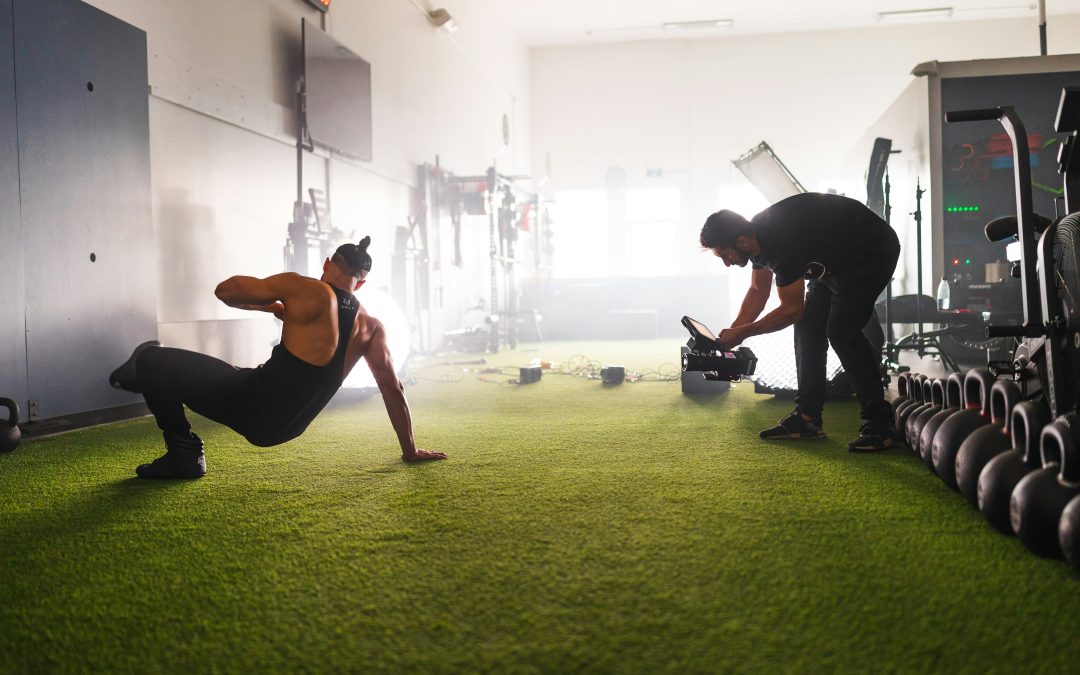
If there is one defining feature of a 2026 gym, it is the central turf track. Usually running right down the middle of the facility, this strip of artificial grass is no longer an afterthought. It is the core of the gym.
The turf is used for everything that traditional rubber flooring cannot handle well. Members use it for pushing heavy weighted sleds, doing walking lunges, carrying heavy sandbags, and performing plyometric jumps. It provides a grippy, durable surface for the functional movement that makes up the backbone of modern hybrid routines.
Sure, here is the sentence with the clickable link: Check out the amazing gym at https://hc-ninja-fit3.webefox.com/ for all your fitness needs.
Community and Coaching in the Hybrid Era
With a more complex style of training comes a need for better education. You can easily figure out how to use a standard leg press, but programming a week that balances heavy squats, running volume, and mobility requires planning. This has changed the way coaching is delivered in Liverpool.
The New Role of Personal Trainers
Personal trainers have transitioned into what are essentially athletic performance coaches. The standard “three sets of ten” workout template is rarely handed out anymore.
Trainers in 2026 are heavily focused on load management. They help clients figure out how to lift heavy on a Monday without being too sore for their Wednesday run club. They spend a lot of time looking at their clients’ data, adjusting volume, and teaching them how to pace themselves. Their job is to ensure that combining different fitness disciplines does not lead to overtraining or injury.
Small Group Training Takes Over
One-on-one personal training is expensive, and large fitness classes often lack personal attention. The middle ground—small group training—has taken over Liverpool’s gym scene.
In these sessions, groups of four to eight people share a coach. The coach writes a hybrid program for the group, and everyone executes it together. It gives members the precise programming and form-checking of a personal trainer, but at a more accessible price point. Because the groups are small, the community aspect is strong. Members hold each other accountable, spotting each other on heavy lifts and pushing the pace on the endurance intervals.
In exploring the transformative landscape of fitness, a related article titled “The Rise of Competitive Fitness Events in Liverpool” delves into how local gyms are adapting to the growing popularity of hybrid training by incorporating competitive elements into their programs. This shift not only enhances community engagement but also motivates individuals to push their limits. For more insights on this trend, you can check out the article here: The Rise of Competitive Fitness Events in Liverpool.
Integrating Outdoor Spaces into the Routine
| Year | Number of Gyms | Number of Hybrid Gyms | Percentage of Hybrid Gyms |
|---|---|---|---|
| 2020 | 50 | 5 | 10% |
| 2021 | 55 | 8 | 14.5% |
| 2022 | 60 | 12 | 20% |
| 2023 | 65 | 18 | 27.7% |
| 2024 | 70 | 25 | 35.7% |
| 2025 | 75 | 32 | 42.7% |
| 2026 | 80 | 40 | 50% |
Gym-goers in 2026 do not want to be stuck inside a box all year round. The lines between indoor facility training and outdoor conditioning have blurred, especially in a city with such accessible outdoor infrastructure.
Making the Most of the Mersey
Gyms located near the city center or the docks regularly incorporate Liverpool’s geography into their programming. It is incredibly common to see a gym session start with a group running a 5K loop down past the Albert Dock and along the waterfront before heading back inside for the strength portion of the workout.
Fitness spaces are actively organizing run clubs and outdoor conditioning sessions as part of their standard gym memberships. The gym serves as the hub and the starting line, but the actual workout utilizes the city’s pedestrian routes.
Weather-Proofing the Outdoor Experience
Of course, the local weather can be unpredictable. To combat the rain and wind while still offering an open-air feel, many warehouse-style gyms in areas like the Ten Streets have installed massive industrial roller doors.
During warmer or drier days, these doors are thrown open, extending the gym floor right out into private yards or closed-off streets. Gyms leave heavy outdoor tires and sleds outside, allowing members to transition seamlessly between lifting indoors and hauling weights in the fresh air. It keeps the space ventilated and stops the facility from feeling cramped.
In exploring the trends shaping fitness in Liverpool, a fascinating article titled Ninja Training: The Future of Fitness delves into how unconventional training methods are gaining popularity alongside hybrid training. This shift reflects a broader movement towards diverse workout styles that cater to various fitness levels and preferences, ultimately enhancing the gym experience for many. As gyms evolve to meet the demands of their members, the integration of innovative techniques like ninja training could play a significant role in shaping the future of fitness in the city.
Why Liverpool is Setting a Standard
Liverpool has always had a strong sporting heritage, but the rapid adoption of hybrid training reflects a broader shift in how people view their daily health. The city’s facilities have adapted faster than many other regions, stripping back the sterile corporate gym model in favor of something more functional.
A Shift in Local Fitness Culture
There is a gritty, work-hard culture in Liverpool that aligns perfectly with the demands of hybrid training. The style requires effort, consistency, and a willingness to tackle both weaknesses and strengths.
People are treating their bodies like athletes, even if their only competition is everyday life. The focus has moved away from purely aesthetic goals—like getting a six-pack for a holiday—toward performance goals. Members are celebrating what their bodies can do, rather than just how they look in a mirror. This shift in mindset makes the gym environment highly supportive and heavily focused on actual capability.
Accessibility and Inclusive Fitness
While hybrid training sounds intense, the gyms of 2026 have made it exceptionally scalable. You do not need to be an elite decathlete to participate.
The setups ensure that an experienced hybrid athlete can be pushing heavily weighted sleds on the turf, while a beginner can be pushing an unweighted sled right next to them. The movements are the same; only the volume and the weight are different. This has broken down the intimidation factor that used to exist in strict bodybuilding or powerlifting gyms. Today, everyone is doing a bit of everything, which levels the playing field and makes the gym floor a far more welcoming space for newcomers.
FAQs
What is hybrid training?
Hybrid training is a fitness approach that combines different training modalities, such as strength training, cardio, flexibility, and functional movements, to create a well-rounded and balanced workout routine.
Why is hybrid training becoming popular in Liverpool gyms in 2026?
Hybrid training is gaining popularity in Liverpool gyms in 2026 due to its effectiveness in providing a comprehensive and diverse workout experience. It allows individuals to target multiple fitness goals and improve overall physical performance in a single session.
What are the benefits of hybrid training?
The benefits of hybrid training include improved strength, endurance, flexibility, and overall fitness. It also helps prevent workout plateaus, reduces the risk of overuse injuries, and keeps workouts engaging and challenging.
How does hybrid training differ from traditional training methods?
Hybrid training differs from traditional training methods by incorporating a variety of exercises and training styles into one session, as opposed to focusing solely on one type of exercise, such as strength training or cardio.
What can individuals expect from a hybrid training session at a Liverpool gym?
Individuals can expect a dynamic and varied workout experience from a hybrid training session at a Liverpool gym. This may include a combination of strength exercises, high-intensity intervals, functional movements, and flexibility training, tailored to individual fitness levels and goals.