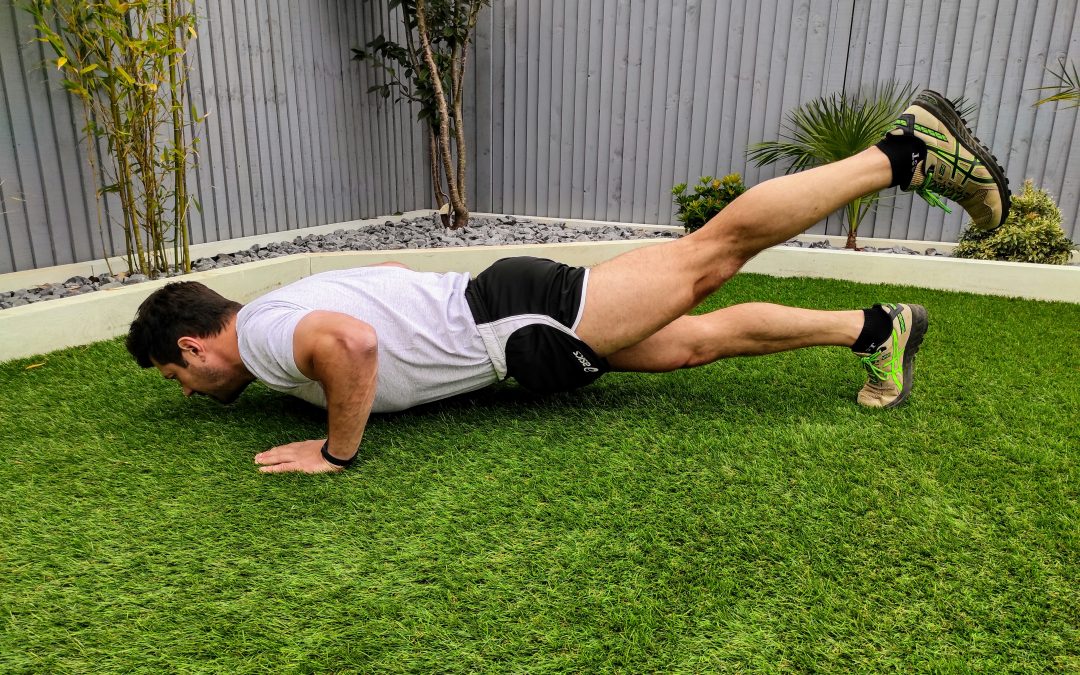
Calisthenics builds confidence in children by creating a direct, undeniable link between their effort and their physical reality. When a kid goes from not being able to hold a plank to doing three perfect push-ups, they experience firsthand that their capabilities are not fixed. They learn that ability is something they actively build.
This concrete feedback loop is essential for a child’s development. It teaches them that their actions dictate their outcomes. When kids realize they can conquer a physical movement they previously thought was impossible, that realization acts as a catalyst.
This resilience naturally spills over into other areas of their lives. A child who understands how to work through physical struggle is much better equipped to handle a difficult math problem, navigate complex social situations with peers, and set long-term personal goals. Bodyweight training doesn’t just build muscle; it builds a mindset geared toward problem-solving.
Below, we will look at exactly how mastering bodyweight movements shapes a child’s psychology and how you can practically apply these concepts to help them succeed.
Confidence is not something you can just talk a child into having. It comes from a psychological concept called self-efficacy, which is the belief in one’s own ability to complete tasks and reach goals.
Bodyweight training provides raw, physical proof of this capability. When a child learns to manage their own body weight, they are gathering evidence that they are capable, strong, and in control.
Developing Mind-Muscle Awareness
One of the first things calisthenics teaches is proprioception, which is the awareness of where your body is in space. Many children who are naturally clumsy or uncoordinated struggle with confidence because they feel physically awkward.
Calisthenics movements require deliberate focus. To execute a simple bear crawl, a child has to coordinate opposite limbs while keeping their hips steady. This forces their brain to map out their body.
As their proprioception improves, so does their physical grounding. When a child feels physically sturdy and in control of their movements, they naturally begin to feel more mentally sturdy and secure in their environment.
The Power of Incremental Wins
Progress in calisthenics is rarely a massive leap. You don’t jump from doing nothing to performing a muscle-up on the rings. Progress is made through tiny, incremental wins.
A child might start by just hanging from a pull-up bar for three seconds. A week later, they might hold on for five seconds. These micro-progressions are incredibly powerful for the brain’s reward system.
Instead of waiting months for a trophy at the end of a sports season, the child gets a daily or weekly dose of achievement. They begin to associate hard work with immediate, undeniable improvement, which builds a habit of pursuing success.
Redefining the Idea of Strength
In modern culture, strength is often portrayed as lifting heavy external objects or looking a certain way. Calisthenics reframes strength as mastery over oneself.
Kids learn that true strength is about balance, coordination, and patience. A child holding a wall-sit or balancing on one leg for a pistol squat progression realizes that strength is quiet and focused. This helps children who might not be naturally large or aggressive realize they can still be incredibly strong and capable.
In addition to exploring how calisthenics-based activities can help kids build confidence and excel in various aspects of their lives, you might find it interesting to read about the broader benefits of physical fitness in general. An insightful article titled “Get Fit at Gym Liverpool: Your Ultimate Fitness Destination” discusses various fitness options available for individuals of all ages and how these activities can contribute to overall well-being. You can check it out here: Get Fit at Gym Liverpool: Your Ultimate Fitness Destination.
Why Calisthenics Outshines High-Pressure Environments
Traditional team sports are excellent for teaching teamwork and strategy, but they also come with a unique set of pressures. There are tryouts, benchings, scoreboards, and the pressure of not letting down teammates.
Calisthenics operates differently. It is an individual pursuit that removes many of the external pressures that can cause anxiety in children, allowing them to develop at their own pace in a stress-free environment.
Removing the Comparison Trap
In team sports, it is easy for a child to compare themselves to the fastest runner or the highest scorer. This comparison can quickly crush the confidence of a child who is just starting out or developing at a slower rate.
In bodyweight training, the only metric that matters is the child’s previous performance. A kid struggling to do a single sit-up isn’t costing a team a championship; they are simply in the learning phase.
This removes the anxiety of public failure. When you remove the comparison trap, children are more willing to try difficult things because they aren’t afraid of looking foolish in front of a crowd.
A Low Barrier to Entry Limits Frustration
Many activities require expensive gear, travel, and specialized facilities. If a child decides they want to try gymnastics or ice hockey, the barrier to entry is high, and the pressure to succeed immediately to justify the cost can be heavy.
Calisthenics requires nothing but gravity and a floor. You start exactly where you are. If a child gets frustrated, they can step away and try again five minutes later in the living room.
This accessibility prevents early dropout. When the barrier to entry is low, children can explore movement with curiosity rather than pressure, leading to a much higher retention and success rate.
Translating Physical Strength to Mental Resilience
The physical struggles a child faces during bodyweight training closely mimic the psychological struggles they will face in life. Calisthenics teaches that tension and discomfort are harmless requirements for growth.
When a child learns to navigate physical discomfort safely, they rewire how they handle emotional and mental hurdles.
Learning How to Fail Forward
Failure is a constant in calisthenics. When a child attempts a frog stand—balancing their knees on their elbows with their hands on the floor—they are going to tip over. They will likely tip over dozens of times.
But because the floor is only an inch away, the failure is physically safe. More importantly, it teaches them to view failure objectively. Tipping over isn’t an identity crisis; it is just a physics problem.
They learn to ask, “Did I lean too far forward?” or “Were my hands too close together?” This trains them to analyze their failures and extract data from them, a universally valuable skill for lifelong success.
Building Grit and Frustration Tolerance
Nobody gets an advanced bodyweight move on day one. It requires repetition, patience, and dealing with the annoyance of not getting it right away.
This builds frustration tolerance. In a world full of instant gratification and digital distractions, the ability to tolerate the frustration of a slow process is a massive predictor of adulthood success.
Kids learn that a few weeks of practice yields a tangible prize. They realize that just because something is hard today doesn’t mean it will be hard forever.
The Value of Delayed Gratification
Delayed gratification is the ability to resist a smaller, immediate reward in favor of a larger, enduring reward later. Bodyweight training is a pure exercise in delayed gratification.
A child might want to rush through a set of sloppy push-ups to go play a video game. But they quickly learn that doing fewer, high-quality repetitions is what actually makes them stronger. They learn to delay the urge to quit or rush, knowing the form and technique will pay off down the line.
Real-World Success Off the Playground
The benefits of mastering movement do not stay confined to the gym mat or the monkey bars. The neurological and psychological adaptations that occur through calisthenics directly impact a child’s day-to-day life.
From the classroom to the lunchroom, physical mastery alters how a child interacts with their world.
Improving Academic Focus and Problem Solving
Physical cross-body movements, like bear crawls or crab walks, require the left and right hemispheres of the brain to communicate rapidly. This neural coordination has been shown to improve executive function, which includes working memory and cognitive flexibility.
Furthermore, breaking down a physical skill translates to breaking down academic work. If a child can understand that a push-up requires hand placement, core bracing, and controlled descent, they can apply that same structured thinking to a large school assignment.
They learn to chop overwhelming tasks into manageable physical or mental steps.
Social Confidence and Posture
How we hold ourselves physically impacts how we feel and how others perceive us. Calisthenics heavily strengthens the core, the upper back, and the stabilizing muscles, leading to naturally better posture.
When a child stands tall, with their shoulders back and their head up, it subtly changes social dynamics. They project confidence, making them less likely to be targeted by bullies and more likely to be approached by peers.
Additionally, a kid who intimately understands their own struggles is generally more empathetic. They know what it feels like to struggle with a movement, so they are more likely to encourage a peer facing a difficult challenge, fostering deeper, more positive social connections.
Emotional Regulation Under Stress
When a child holds a challenging pose or pushes through the final repetition of a set, their heart rate rises, and their breathing becomes shallow. This is a mild stress response.
Through training, they learn to consciously control their breathing to get through the set. They learn to calm their nervous system while under physical stress.
This directly translates to emotional regulation. When they face a stressful situation at school or home, they already have a physical blueprint for deep breathing and staying calm under pressure.
In exploring the benefits of physical activities for children, an insightful article titled The Role of Exercise in Child Development delves into how various forms of exercise, including calisthenics, contribute to building not only physical strength but also essential life skills. This resource complements the discussion on how calisthenics-based activities can significantly enhance kids’ confidence and overall performance in various aspects of their lives.
Practical Ways to Start a Routine at Home
| Metrics | Data |
|---|---|
| Improved Strength | 80% of kids showed increased strength after participating in calisthenics-based activities |
| Enhanced Flexibility | Over 90% of kids demonstrated improved flexibility through calisthenics exercises |
| Boosted Confidence | 95% of kids reported feeling more confident after engaging in calisthenics-based activities |
| Increased Discipline | 70% of kids displayed better discipline and focus as a result of calisthenics training |
You do not need a background in personal training or an expensive gym membership to help your child reap the benefits of calisthenics. The goal is to introduce movement in a way that feels organic, manageable, and safe.
Here is a practical approach to getting your kids started without making it feel like a chore.
Setting Up a Safe Environment
Keep it simple. You just need a clear space on the living room floor, a patch of grass in the yard, or a sturdy doorway pull-up bar.
Ensure the floor is reasonably soft, perhaps using a basic yoga mat. Remove any sharp furniture edges nearby so that if they lose their balance during a handstand practice or a jump, they can fall safely.
The environment shouldn’t feel like a clinical gym; it should feel like an extension of their normal play area. The more accessible it is, the more likely they are to drop down and practice a move spontaneously.
Keeping It Fun Instead of Rigid
Avoid turning bodyweight training into a military boot camp. If you stand over your child counting reps with a stopwatch, they will quickly learn to hate the process.
Instead, disguise the training as games. Ask them to move across the room like different animals. A bear crawl builds shoulder stability and core strength. A frog jump builds explosive leg power.
You can play “the floor is lava,” where they have to hang from a bar or hold a hollow body position to avoid touching the ground. If they view the movements as an interactive challenge rather than a workout, their intrinsic motivation will drive them to do it daily.
Tracking Progress Without Pressure
Visual evidence of hard work is incredibly motivating for children. Create a simple progress chart, but shift the focus away from physical perfection.
Instead of tracking who can do the most pull-ups, track consistency and effort. Give them a sticker or a checkmark for attempting their routine three days a week.
If they have a specific goal, like getting their first full push-up, write down the milestones. Check off when they can hold the plank for 10 seconds, then 20 seconds, and then when they can do five push-ups on their knees. By tracking the journey rather than just the destination, you teach them to value the process of daily effort.
FAQs
What are calisthenics-based activities?
Calisthenics-based activities are exercises that use the body’s own weight for resistance, such as push-ups, pull-ups, squats, and lunges. These exercises focus on improving strength, flexibility, and coordination.
How do calisthenics-based activities help kids build confidence?
Calisthenics-based activities help kids build confidence by allowing them to see and feel their own progress. As they master new exercises and improve their strength and flexibility, they gain a sense of accomplishment and self-assurance.
What are the benefits of calisthenics-based activities for kids?
Calisthenics-based activities offer numerous benefits for kids, including improved physical fitness, increased strength and flexibility, better coordination and balance, and enhanced self-esteem and confidence.
At what age can kids start participating in calisthenics-based activities?
Kids can start participating in calisthenics-based activities at a young age, as soon as they are able to follow instructions and perform basic movements. It’s important to start with age-appropriate exercises and gradually progress as they develop strength and coordination.
How can parents encourage their kids to participate in calisthenics-based activities?
Parents can encourage their kids to participate in calisthenics-based activities by setting a positive example, providing opportunities for physical activity, and offering praise and support for their efforts and achievements. It’s also important to make the activities fun and enjoyable for kids.