
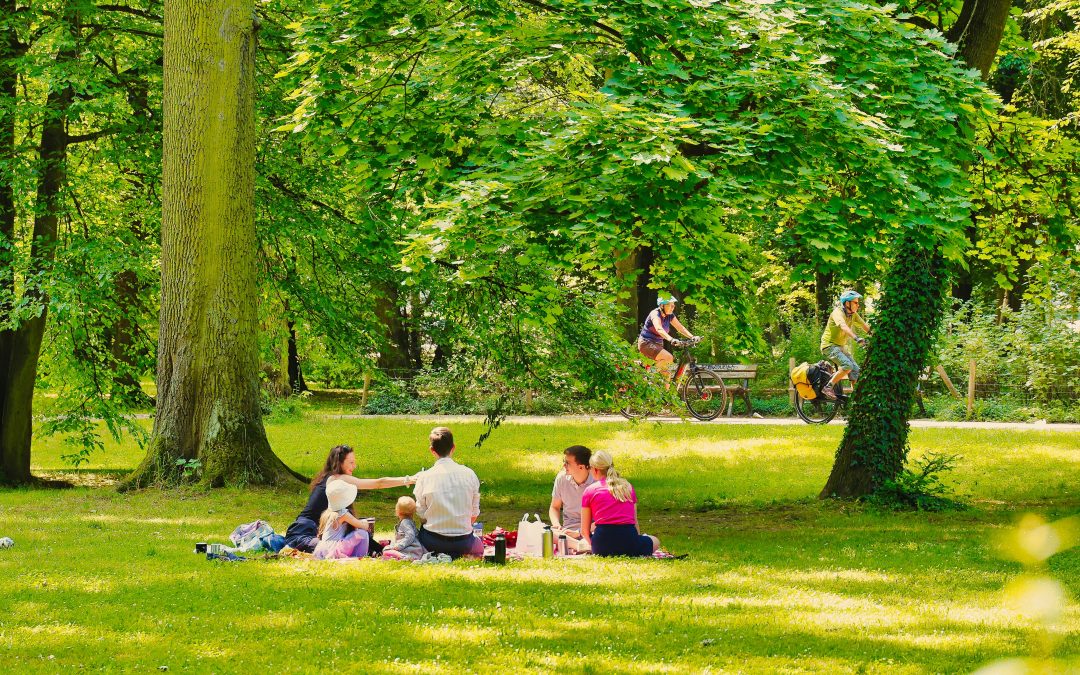
Family fitness is becoming a prominent trend in Liverpool simply because parents are looking for more efficient ways to manage their time. Between work commutes, school runs, and managing a household, finding a spare hour for a solo gym session is notoriously difficult. Instead of choosing between spending time with their children and taking care of their own physical health, residents across the city are combining the two.
Local leisure centers, parks, and independent gyms have noticed this shift and are adapting their schedules to accommodate mixed-age groups. Gone are the days when children had to sit on the sidelines with an iPad while their parents exercised. Today, from the paths of Sefton Park to the climbing walls near the docks, Liverpool’s fitness landscape is distinctly family-oriented. If you are looking to get moving with your household, the city currently offers more practical and accessible options than ever before.
The change in how Liverpudlians approach exercise didn’t happen overnight. It is the result of shifting routines, a changing economy, and a growing understanding of how environment shapes behavior.
Combining Childcare with Wellbeing
Historically, joining a gym meant paying for a membership and then figuring out childcare for the hours you wanted to train. For many families, the math rarely worked out. By shifting the focus to family fitness, exercise becomes a shared activity rather than a solitary pursuit that pulls parents away from home. It solves a logistical problem. Parents get their workout in, children burn off excess energy, and nobody has to pay for a babysitter.
Changing Attitudes to Screen Time
Most parents are highly aware of how much time their children spend on devices. However, simply telling kids to get off their phones rarely works without offering a viable alternative. Structured family exercise provides an active, engaging substitution for screen time. When a parent leads by example and actively participates in a physical activity, children are far more likely to join in without complaint.
A Neighborhood Approach to Health
Liverpool is a city defined by its distinct neighborhoods. Rather than everyone commuting into the city center to train at luxury gyms, there has been a noticeable pivot back toward utilizing local resources. People want activities that are within walking distance or a short bus ride from their front doors. This localized mindset naturally favors inclusive, family-friendly environments over exclusive, adults-only fitness clubs.
In the context of Family Fitness and the increasing trend of training together in Liverpool, it’s interesting to explore different workout methodologies that can enhance family bonding. A related article that delves into this topic is “Weight Training vs. Calisthenics: The Ultimate Fitness Showdown,” which discusses the benefits and drawbacks of these two popular training styles. Understanding these approaches can help families choose the best fitness routine that suits their collective goals and preferences. You can read more about it here: Weight Training vs. Calisthenics: The Ultimate Fitness Showdown.
Outdoor Spaces Leading the Charge
When the weather allows, Liverpool’s extensive network of green spaces and coastal paths provides the most accessible venue for family exercise. The city’s parks have evolved beyond simple playgrounds into active hubs for planned physical activities.
The Rise of Junior Parkruns
The parkrun movement has been deeply embedded in Liverpool for years, but the expansion of the Junior Parkrun is where families are really seeing the benefit. Held on Sunday mornings in locations like Stanley Park and Princes Park, these 2-kilometer events are specifically designed for children aged 4 to 14. Parents are encouraged to jog alongside their younger children. It provides a structured, timed, and safe environment for families to build cardiovascular fitness together without the pressure of a competitive race.
Sefton Park and Calderstones Park as Active Hubs
Sefton Park is perhaps the most heavily utilized outdoor space for fitness in the city. The wide, paved pathways are ideal for families managing a mix of runners, cyclists, and parents pushing buggies. The flat terrain makes it accessible for all fitness levels. Similarly, Calderstones Park in South Liverpool offers a slightly more contained environment, making it popular for family brisk walking routines and informal weekend sports on the open grass.
Coastal Routes and Cycle Paths
For families wanting to incorporate cycling into their fitness routine, the city provides excellent traffic-free routes. The Otterspool Promenade offers miles of flat, uninterrupted waterfront pathways stretching down toward the south of the city. Further north, the Crosby Coastal Park provides rugged trails for walking and cycling with the added resistance of sand dunes. For a more sheltered ride, the Liverpool Loop Line—a disused railway track completely closed off to cars—allows families to cycle safely for miles across the city’s eastern suburbs.
Indoor Facilities Adapting to Families
Given the unpredictability of the local weather, outdoor fitness isn’t always an option. Fortunately, Liverpool’s indoor fitness facilities have heavily pivoted to accommodate families, realizing that mixed-age groups are a steady, reliable demographic.
Climbing Walls and Bouldering Centers
Bouldering has surged in popularity among families because it naturally accommodates different height and skill levels on the same wall. Venues like The Climbing Hangar, which operates sites in Sandhills and Matchworks, have become weekend staples. Children and adults can climb side-by-side, working on different routes that suit their individual abilities. It builds core strength, grip strength, and problem-solving skills, and requires zero previous experience to get started.
Family-Focused Gym Classes
The city’s council-run Lifestyles fitness centers have recognized the demand for inclusive exercise. Several locations, including the Wavertree Aquatics Centre, have expanded their timetables to include family swim lanes and family racquet sport sessions. Some independent gyms have also started offering weekend circuit classes where exercises are scaled. Adults might do heavy kettlebell swings while kids tackle agility ladders and bodyweight squats in the same room.
Trampoline Parks and Active Play
While often marketed as entertainment, trampoline parks in areas like Brunswick and Aintree offer highly demanding cardiovascular workouts. During family bounce sessions, adults are encouraged to participate rather than sit in the café. An hour of constant jumping, balancing, and navigating interactive assault courses provides a severe workout for adults while feeling like a game for younger participants.
Community Groups and Grassroots Initiatives
Beyond physical venues, the human infrastructure in Liverpool is changing. Community-led groups are making it easier for families to step out of their comfort zones and learn new ways to stay fit.
Stroller Fitness and Walking Groups
For parents with infants, getting back into fitness can feel isolating. Grassroots initiatives have popped up across the city’s parks, offering “buggy bootcamps.” These groups utilize the resistance of pushing a stroller through parks like Croxteth Country Park, mixing walking intervals with bodyweight exercises. It allows parents to train without needing childcare while socializing with other locals in the same stage of life.
Martial Arts Mats Opening to All Ages
Traditionally, martial arts schools highly segregated their classes by age. However, several Brazilian Jiu-Jitsu and Taekwondo academies in Liverpool now offer family open-mat sessions. In these controlled environments, parents and children can drill mobility exercises, practice warm-ups, and learn basic grappling or striking techniques side by side. It strips away the intimidation factor often associated with combat sports.
Grassroots Sports Clubs Expanding
Local football, rugby, and athletics clubs are broadening their scope. Instead of just dropping kids off for a training session, some clubs now organize concurrent parent fitness groups. While the junior team trains on one half of the pitch, a coach runs a circuit training session for the parents on the other half. This concurrent training model is highly efficient for busy households.
In recent discussions about the benefits of exercising as a family, an insightful article titled “Family Fitness: Why Training Together is the Growing Trend in Liverpool” highlights the increasing popularity of group workouts among families. This trend not only fosters stronger bonds but also promotes healthier lifestyles for all members. For those interested in understanding the legal aspects of fitness programs, you can find relevant information in the terms and conditions provided by HC Fit, which can be accessed here.
Practical Tips for Getting Started Together
| Family Fitness Benefits | Statistics |
|---|---|
| Increased Bonding | 80% of families feel closer after exercising together |
| Healthier Lifestyle | 60% of families report improved health and fitness levels |
| Positive Role Modeling | 70% of children are more likely to adopt healthy habits when parents are involved |
| Quality Time | 90% of families enjoy spending time together during workouts |
Transitioning from a sedentary household to an active one requires a bit of planning. If you jump into something too intense, you risk putting your children—or yourself—off the idea entirely.
Managing Different Age Groups and Abilities
The biggest hurdle in family fitness is the disparity in ability. A teenager, a seven-year-old, and a parent running together is a recipe for frustration if you expect everyone to maintain the same pace. The key is choosing activities where speed and distance are individual metrics but the location is shared. Bouldering, circular park circuits, and swimming are excellent because nobody gets left behind. Everyone works at their own intensity while remaining in the same physical space.
Keeping Costs Down in the City
You do not need an expensive boutique gym membership to stay fit in Liverpool. Make use of the city’s free infrastructure. Council-run Lifestyles memberships often have family concessions. Additionally, Merseyrail allows bikes on trains free of charge. This means you can easily skip the traffic, take the train to locations like West Kirby or Southport, and cycle along the coast without spending money on fuel or parking.
Making it a Routine Rather Than a Chore
Consistency is what builds fitness. To make family exercise stick, it has to be integrated into your normal weekly routine. Tie the activity to an existing habit. For example, make a rule that Sunday mornings involve a walk along the docks before returning home for a roast dinner. Keep a bag packed with trainers and water bottles so that when a window of free time opens up, you can leave the house without a long, stressful preparation phase.
In recent discussions about the benefits of exercising as a family, a related article highlights the importance of understanding individual fitness levels and health needs. This resource emphasizes how a well-structured approach can enhance the family fitness experience, making it more enjoyable and effective for everyone involved. For further insights, you can explore the article on the PAR-Q, which provides valuable information on assessing readiness for physical activity.
The Broader Impact on Liverpool’s Neighborhoods
The shift toward moving as a family is quietly reshaping the daily rhythm of the city.
Redefining the Weekend
Weekends in Liverpool were traditionally dominated either by shopping in Liverpool ONE or watching football. While those remain popular, early weekend mornings are now visibly populated by families heading out in activewear. Cafes near heavily trafficked parks are adapting, offering healthier takeaway options and installing extra bike racks to cater to this active crowd.
Building Long-Term Habits
Ultimately, the growth of family fitness in Liverpool is about long-term health education. Children who grow up watching their parents prioritize physical exertion are far more likely to retain those habits into adulthood. By removing the barriers of cost, childcare, and travel, Liverpool is fostering a highly practical approach to health. It proves that fitness doesn’t have to be a rigid, solitary punishment in a dark gym; it can simply be an active, regular part of how a household spends time together.
FAQs
What is family fitness?
Family fitness refers to the concept of engaging in physical activity and exercise as a family unit. This can include activities such as going for walks, playing sports, or participating in group fitness classes together.
Why is training together as a family becoming a growing trend in Liverpool?
Training together as a family is becoming a growing trend in Liverpool due to the numerous benefits it offers. It promotes bonding, encourages healthy habits, and provides a support system for each family member to stay motivated and accountable.
What are some examples of family fitness activities in Liverpool?
Some examples of family fitness activities in Liverpool include family-friendly fitness classes, outdoor activities in parks or along the waterfront, and joining local sports teams or clubs together.
What are the benefits of family fitness?
The benefits of family fitness include improved physical health, strengthened family bonds, enhanced mental well-being, and the opportunity to instill healthy habits in children from a young age.
How can families get started with training together in Liverpool?
Families in Liverpool can get started with training together by researching local fitness facilities and programs that offer family-friendly activities, setting realistic fitness goals as a family, and scheduling regular physical activities into their weekly routine.