
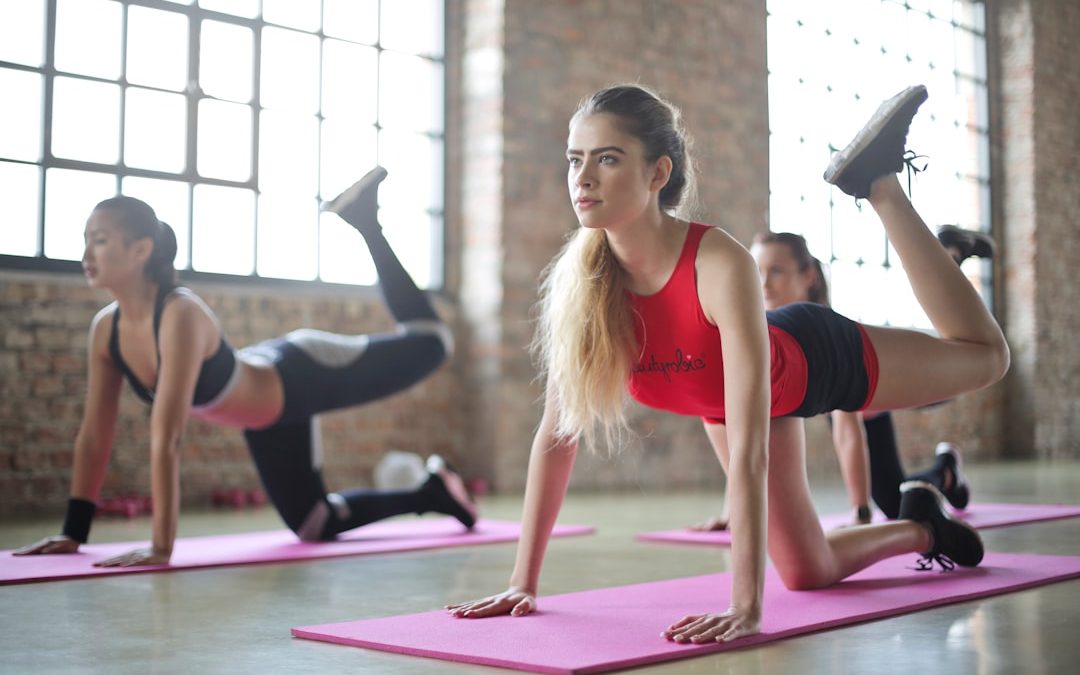
Calisthenics and gym workouts are two distinct approaches to physical fitness. Calisthenics, also referred to as bodyweight training, relies on using one’s own body weight as resistance. Common calisthenic exercises include push-ups, pull-ups, squats, and planks.
In contrast, gym workouts typically involve the use of various equipment such as dumbbells, barbells, resistance machines, and cardio machines. These tools allow for targeted muscle group training and adjustable resistance levels. Both forms of exercise offer unique benefits and can be effective in achieving fitness goals.
Calisthenics often requires minimal equipment and can be performed in various settings, making it a convenient option for those with limited access to gym facilities. Gym workouts, on the other hand, provide a wide range of equipment options and the ability to progressively increase resistance as strength improves. Understanding the differences between calisthenics and gym workouts is crucial for individuals to make informed decisions about their fitness routines.
Factors such as personal preferences, available resources, and specific fitness objectives should be considered when choosing between these two approaches. Some individuals may find that a combination of both calisthenics and gym workouts provides the most comprehensive and enjoyable fitness regimen.
Key Takeaways
- Calisthenics focuses on using your own bodyweight for strength and flexibility, while gym workouts utilize equipment to target specific muscle groups.
- Calisthenics offers the benefit of convenience and affordability, as it can be done anywhere without the need for a gym membership.
- Gym workouts allow for increased resistance and targeting of specific muscle groups, but may come with a higher cost and require access to equipment.
- Calisthenics has a lower risk of injury compared to weightlifting, making it a safer option for those concerned about potential injuries.
- Calisthenics offers versatility and potential for continuous improvement, making it a valuable tool for achieving fitness goals.
The Benefits of Calisthenics: Building Strength and Flexibility Using Your Own Bodyweight
Calisthenics offers a wide range of benefits, with one of the most prominent being the ability to build strength and flexibility using only your own body weight. This form of exercise can be performed anywhere, making it a convenient option for individuals who prefer to work out at home or in outdoor settings. Additionally, calisthenics exercises engage multiple muscle groups simultaneously, promoting functional strength and coordination.
For example, a simple exercise like a push-up not only targets the chest, shoulders, and triceps but also engages the core and lower body for stability. Furthermore, calisthenics can be easily modified to accommodate different fitness levels, making it accessible to beginners and advanced athletes alike. By adjusting the angle, range of motion, or adding variations such as plyometric movements, individuals can continuously challenge themselves and progress in their fitness journey.
Another benefit of calisthenics is its focus on improving mobility and flexibility. Many bodyweight exercises require a full range of motion, which can help individuals develop better flexibility and joint mobility over time. For instance, performing deep bodyweight squats can help improve hip and ankle mobility, while exercises like the bridge or the downward dog pose can enhance overall flexibility.
This emphasis on functional movement patterns not only contributes to better physical performance but also reduces the risk of injury in daily activities. Overall, calisthenics offers a holistic approach to fitness by promoting strength, flexibility, and mobility using minimal equipment and adaptable exercises.
The Benefits of Gym Workouts: Utilizing Equipment to Target Specific Muscle Groups and Increase Resistance
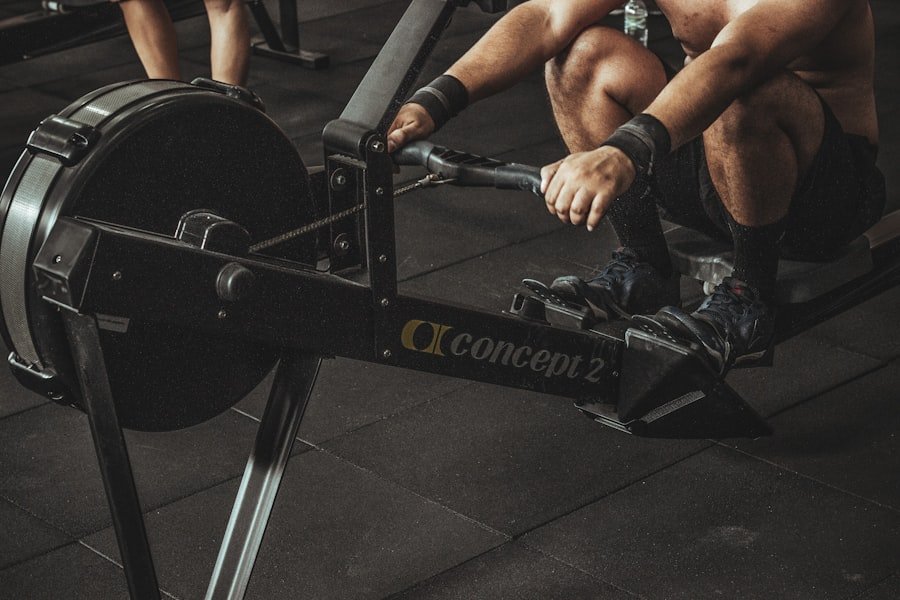
Gym workouts provide a unique set of benefits that stem from the availability of specialized equipment designed to target specific muscle groups and increase resistance. One of the primary advantages of gym workouts is the ability to isolate and focus on individual muscle groups through the use of machines and free weights. For example, cable machines allow for precise targeting of muscles such as the chest, back, and arms, while dumbbells and barbells provide a wide range of exercises to develop strength in various muscle groups.
This targeted approach can be beneficial for individuals looking to address specific weaknesses or imbalances in their physique. Additionally, gym workouts offer the advantage of progressive overload, which is essential for muscle growth and strength development. By adjusting the weight or resistance level, individuals can continuously challenge their muscles to adapt and grow stronger over time.
This ability to incrementally increase resistance is particularly beneficial for individuals aiming to build muscle mass or improve muscular endurance. Moreover, gyms often provide a variety of cardio machines such as treadmills, ellipticals, and stationary bikes, allowing individuals to incorporate cardiovascular training into their workout routines for improved heart health and endurance. Furthermore, the gym environment can be motivating for many individuals, as it offers a dedicated space for exercise with access to professional trainers, group fitness classes, and a community of like-minded individuals.
This supportive atmosphere can be conducive to maintaining consistency in a workout routine and seeking guidance from fitness professionals. Overall, gym workouts provide a comprehensive approach to fitness by offering specialized equipment for targeted muscle development, progressive overload for strength gains, and a supportive environment for motivation and guidance.
When considering cost and accessibility, calisthenics holds a clear advantage over gym memberships in terms of convenience and affordability. Calisthenics requires minimal to no equipment, making it a cost-effective option for individuals who prefer to work out at home or in outdoor spaces. With just a yoga mat or a pull-up bar, individuals can perform a wide range of bodyweight exercises without the need for expensive gym memberships or specialized equipment.
This accessibility makes calisthenics an attractive option for those on a tight budget or individuals who prefer the convenience of exercising at home without time constraints or travel expenses. In contrast, gym memberships often come with monthly fees and additional costs for access to specialized classes or personal training services. While gyms offer a wide range of equipment and amenities, these benefits come with a financial commitment that may not be feasible for everyone.
Additionally, the accessibility of gyms may be limited by location or operating hours, making it challenging for individuals with busy schedules or those living in remote areas to consistently access these facilities. As a result, calisthenics presents a more accessible and cost-effective alternative that allows individuals to prioritize their fitness without financial barriers or logistical constraints.
Injury Prevention: Discussing the Lower Risk of Injury with Calisthenics Compared to Weightlifting
Injury prevention is a crucial consideration when choosing an exercise regimen, and calisthenics offers distinct advantages in this regard compared to weightlifting in a gym setting. Calisthenics primarily utilizes bodyweight exercises that involve natural movement patterns and minimal external resistance, reducing the risk of injuries associated with heavy lifting or improper use of equipment. For example, bodyweight squats place less strain on the joints compared to heavy barbell squats, decreasing the likelihood of knee or lower back injuries.
Additionally, calisthenics exercises often emphasize core stability and control, which can contribute to better posture and reduced risk of back injuries. Furthermore, calisthenics promotes functional strength and mobility through exercises that mimic real-life movements, such as pushing, pulling, squatting, and rotating. These movements help individuals develop strength that translates into improved performance in daily activities while minimizing the risk of overuse injuries commonly associated with repetitive weightlifting movements.
By focusing on bodyweight exercises that engage multiple muscle groups simultaneously, calisthenics encourages balanced muscle development and reduces the likelihood of muscle imbalances that can lead to injuries over time. In contrast, weightlifting in a gym setting carries a higher risk of injury due to the use of heavy weights and complex equipment that require proper technique and supervision. Without proper form and guidance from experienced trainers, individuals engaging in weightlifting activities may be susceptible to strains, sprains, or more serious injuries such as muscle tears or joint dislocations.
While weightlifting can offer significant benefits for muscle growth and strength development when performed correctly, the potential for injury underscores the importance of proper training and supervision in a gym environment.
Progression and Adaptability: Exploring the Versatility of Calisthenics and the Potential for Continuous Improvement
Calisthenics offers unparalleled progression and adaptability due to its versatility in exercise variations and the potential for continuous improvement at any fitness level. Bodyweight exercises can be easily modified to increase or decrease resistance based on individual strength levels, making them accessible to beginners while still challenging for advanced athletes. For example, push-ups can be performed on an incline or with added weight to increase difficulty, while variations such as one-arm push-ups or explosive plyometric push-ups provide advanced challenges for seasoned practitioners.
Moreover, calisthenics allows for seamless progression through skill development in movements such as handstands, muscle-ups, and human flags. These advanced bodyweight skills require not only strength but also balance, coordination, and body control, providing individuals with long-term goals for continuous improvement. The journey towards mastering these skills fosters mental resilience and discipline while promoting overall physical development.
Additionally, calisthenics can be adapted to various environments and settings, allowing individuals to maintain their fitness routine regardless of travel or limited access to equipment. Whether it’s performing pull-ups on a tree branch during an outdoor workout or incorporating bodyweight circuits into a hotel room routine while traveling, calisthenics offers unparalleled flexibility in adapting to different circumstances. In contrast, traditional gym workouts may rely heavily on specific equipment or machines for progression, limiting adaptability outside of a gym setting.
While gyms offer a wide range of resistance machines and free weights for strength training, these options may not always be accessible when traveling or exercising in outdoor environments. The versatility and adaptability of calisthenics make it an ideal choice for individuals seeking continuous improvement in their fitness journey while maintaining flexibility in their workout routines.
Highlighting the Potential of Calisthenics as a Secret Weapon for Achieving Fitness Goals
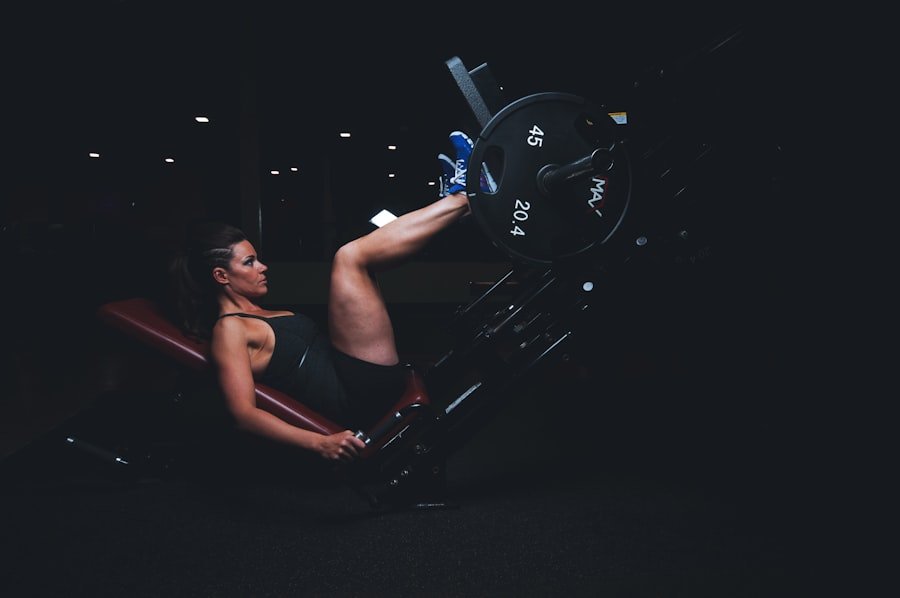
In conclusion, calisthenics and gym workouts each offer unique benefits that cater to different preferences and fitness goals. Calisthenics excels in building strength and flexibility using bodyweight exercises that promote functional movement patterns while minimizing the risk of injury associated with heavy lifting or complex equipment. Its accessibility and affordability make it an attractive option for individuals seeking a convenient and cost-effective approach to fitness.
On the other hand, gym workouts provide specialized equipment for targeted muscle development, progressive overload for strength gains, and a supportive environment for motivation and guidance from fitness professionals. While gym memberships may come with financial commitments and accessibility limitations, they offer comprehensive resources for individuals looking to engage in structured training programs with access to professional guidance. Ultimately, both calisthenics and gym workouts have their place in a well-rounded fitness regimen.
Depending on individual preferences, lifestyle factors, and fitness goals, incorporating elements of both approaches can provide a balanced approach to overall health and wellness. Whether it’s mastering advanced bodyweight skills through calisthenics or engaging in targeted strength training at a gym facility, the key lies in finding an approach that aligns with personal preferences while promoting long-term adherence to a healthy lifestyle.
FAQs
What is calisthenics?
Calisthenics is a form of exercise that uses the body’s own weight for resistance in order to develop strength, flexibility, and endurance. It includes exercises such as push-ups, pull-ups, squats, and lunges.
What is a gym workout?
A gym workout typically involves using equipment such as weights, machines, and cardio equipment to perform resistance and cardiovascular exercises. It can also include classes and personal training sessions.
What are the benefits of calisthenics?
Calisthenics can improve strength, flexibility, and endurance, and can be done anywhere without the need for equipment. It also promotes functional fitness and can help with bodyweight control.
What are the benefits of a gym workout?
A gym workout can provide access to a wide range of equipment and classes, as well as the opportunity for social interaction and professional guidance from trainers. It can also offer a variety of workout options to target specific muscle groups.
What are the differences between calisthenics and gym workouts?
Calisthenics primarily uses the body’s own weight for resistance, while gym workouts often involve the use of equipment and machines. Calisthenics can be done anywhere, while gym workouts require access to a gym facility.
Which is better, calisthenics or gym workouts?
The choice between calisthenics and gym workouts depends on individual preferences, fitness goals, and access to resources. Both forms of exercise have their own benefits and can be effective in improving overall fitness.