
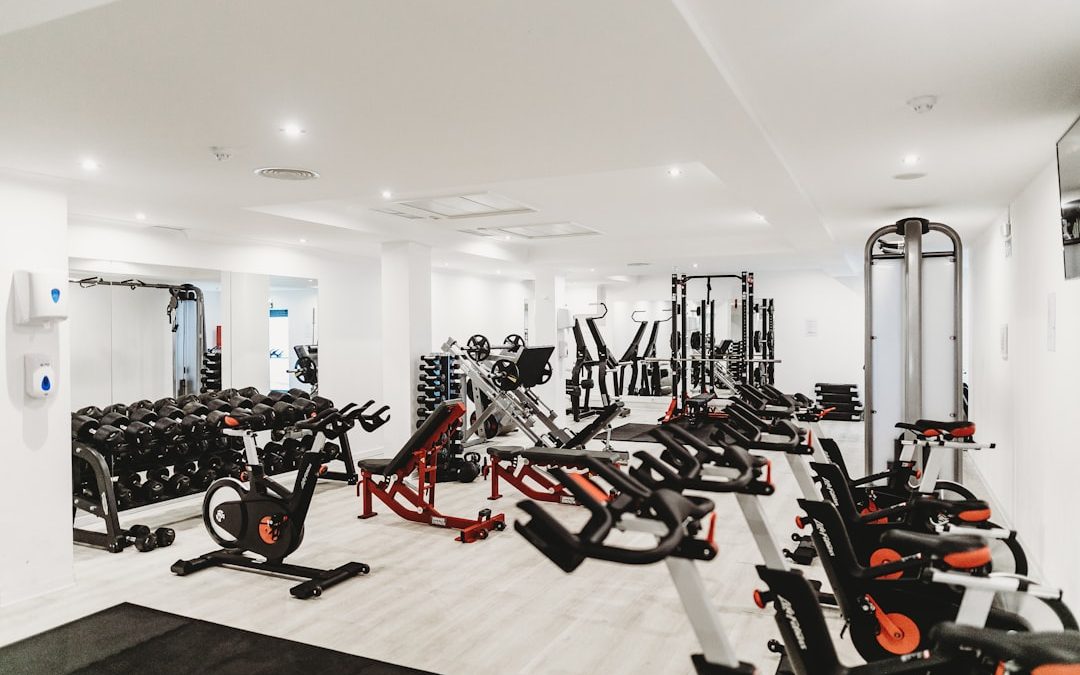
When you embark on your fitness journey, you may find yourself at a crossroads between two popular training methods: calisthenics and heavy weight training. Both approaches offer unique benefits and can lead to significant improvements in your physical health and performance. Calisthenics, which primarily utilizes your body weight for resistance, emphasizes functional movements and can be performed anywhere, making it an accessible option for many.
On the other hand, heavy weight training involves lifting external weights, such as dumbbells and barbells, to target specific muscle groups and promote hypertrophy. Understanding the differences between these two methods is crucial for tailoring your fitness regimen to meet your personal goals. While calisthenics can enhance your overall body control, flexibility, and endurance, heavy weight training is often associated with rapid muscle growth and strength gains.
By exploring the fundamentals of each approach, you can make informed decisions about which method aligns best with your aspirations, whether they involve building muscle, increasing strength, or improving overall fitness.
Key Takeaways
- Calisthenics and heavy weight training offer different benefits, with calisthenics focusing on bodyweight exercises and heavy weight training emphasizing lifting weights.
- Bodyweight exercises in calisthenics can build strength, muscle, flexibility, and endurance.
- Lifting heavy weights can lead to muscle growth, strength gains, and improved physical performance.
- Both calisthenics and heavy weight training can be effective for building muscle, but heavy weight training may be more efficient for mass gain.
- Calisthenics and heavy weight training both have their advantages for strength gains, with heavy weight training being superior for maximal strength and power development.
The Science Behind Calisthenics:
Calisthenics is rooted in the principle of using your own body weight as resistance to build strength and muscle. When you perform exercises like push-ups, pull-ups, and squats, you engage multiple muscle groups simultaneously, promoting functional strength that translates well into everyday activities. This type of training not only builds muscle but also enhances your flexibility and endurance.
As you progress in your calisthenics journey, you may find that you can perform more complex movements, such as muscle-ups or handstand push-ups, which require a combination of strength, balance, and coordination. Moreover, the science behind calisthenics reveals that it can be an effective way to stimulate muscle growth through progressive overload. By manipulating variables such as the number of repetitions, sets, and exercise variations, you can continuously challenge your muscles.
This adaptability allows you to tailor your workouts to your current fitness level while still pushing your limits. Additionally, calisthenics promotes better body awareness and control, which can lead to improved athletic performance in various sports and physical activities.
The Science Behind Heavy Weights:
Heavy weight training operates on the principle of external resistance to stimulate muscle growth and strength gains. When you lift weights that are challenging for you, your muscles undergo microscopic tears during the process. As your body repairs these tears, it builds new muscle fibers, leading to hypertrophy.
This method is particularly effective for targeting specific muscle groups and achieving maximal strength development. The use of free weights and machines allows for precise control over the resistance applied to each muscle group. Research has shown that heavy weight training can significantly enhance overall physical performance.
It not only increases muscle mass but also improves bone density and metabolic rate. The hormonal response triggered by lifting heavy weights—such as increased testosterone and growth hormone levels—further supports muscle growth and recovery.
This means that as you continue to lift heavier weights, you’ll likely notice improvements in your overall strength and power output.
Calisthenics vs Heavy Weights for Building Muscle:
| Metrics | Calisthenics | Heavy Weights |
|---|---|---|
| Equipment | Minimal (bars, rings, bodyweight) | Gym equipment (barbells, dumbbells, machines) |
| Strength Gain | Gradual, bodyweight resistance | Rapid, heavy resistance |
| Flexibility | Improves flexibility and mobility | Less focus on flexibility |
| Functional Strength | Improves functional strength | Focuses on muscle isolation |
| Cost | Low cost, minimal equipment | Higher cost for gym membership or equipment |
When it comes to building muscle mass, both calisthenics and heavy weight training have their merits. Calisthenics can be incredibly effective for developing lean muscle through high-repetition exercises that promote endurance and functional strength. However, if your primary goal is hypertrophy—gaining significant muscle size—heavy weight training may offer a more direct path.
The ability to progressively increase the load on your muscles with weights allows for targeted stimulation of muscle fibers that are crucial for growth. That said, it’s essential to recognize that calisthenics can still lead to impressive muscle gains when performed correctly. Advanced calisthenics movements can create substantial tension on the muscles, leading to hypertrophy over time.
Ultimately, the best approach for building muscle may depend on your individual preferences and circumstances. If you enjoy bodyweight exercises and have access to limited equipment, calisthenics could be a sustainable option for you. Conversely, if you thrive in a gym environment with access to various weights and machines, heavy weight training might be more suitable for achieving your muscle-building goals.
Calisthenics vs Heavy Weights for Strength Gains:
Strength gains are a critical aspect of any fitness regimen, and both calisthenics and heavy weight training can contribute significantly to this goal. Calisthenics emphasizes functional strength by requiring you to lift your body weight in various positions. This type of training often engages stabilizing muscles that may not be activated during traditional weightlifting exercises.
As a result, you may develop a well-rounded strength profile that enhances your performance in other physical activities. On the other hand, heavy weight training is often considered superior for maximal strength development due to its ability to target specific muscle groups with high resistance. The principle of progressive overload is more straightforward with weights; you can easily increase the load as you become stronger.
This targeted approach allows for significant improvements in maximal strength over time. Ultimately, the choice between calisthenics and heavy weights for strength gains may come down to personal preference and specific goals. If you’re looking for overall functional strength and body control, calisthenics may be the way to go.
However, if you’re focused on lifting heavier weights and maximizing strength output, heavy weight training could be more effective.
Calisthenics vs Heavy Weights for Weight Loss:
When it comes to weight loss, both calisthenics and heavy weight training can play a vital role in burning fat and achieving your goals. Calisthenics workouts often incorporate high-intensity intervals that elevate your heart rate and promote calorie burning during and after exercise. The combination of strength training with bodyweight exercises can create an efficient workout that not only builds muscle but also aids in fat loss.
Heavy weight training also contributes to weight loss by increasing your resting metabolic rate through muscle gain. The more muscle mass you have, the more calories your body burns at rest. Additionally, lifting weights can lead to an afterburn effect known as excess post-exercise oxygen consumption (EPOC), where your body continues to burn calories after the workout has ended.
While both methods can be effective for weight loss, incorporating elements from both calisthenics and heavy weight training into your routine may provide a balanced approach that maximizes fat loss while preserving lean muscle mass.
Injury Risk and Safety:
As with any form of exercise, both calisthenics and heavy weight training come with potential risks if not performed correctly. Calisthenics may lead to injuries if you attempt advanced movements without proper progression or technique. Common injuries include strains or sprains resulting from overexertion or improper form during exercises like handstands or planches.
To mitigate these risks, it’s essential to focus on mastering foundational movements before progressing to more complex variations. Heavy weight training also carries its own set of risks, particularly if you’re lifting weights without proper form or supervision. Injuries such as herniated discs or joint issues can occur if you lift excessively heavy weights without adequate preparation or warm-up.
To ensure safety while lifting weights, consider working with a qualified trainer who can guide you through proper techniques and help you develop a personalized program that aligns with your goals.
Conclusion:
In summary, both calisthenics and heavy weight training offer unique benefits that cater to different fitness goals and preferences. Calisthenics excels in promoting functional strength, flexibility, and endurance through bodyweight exercises that can be performed anywhere. Conversely, heavy weight training is often more effective for targeted muscle hypertrophy and maximal strength development due to its ability to apply progressive overload with external resistance.
Ultimately, the best approach for you will depend on your individual goals—whether they involve building muscle mass, increasing strength, or achieving weight loss—and personal preferences regarding workout styles. Consider incorporating elements from both methods into your routine for a well-rounded fitness program that maximizes results while minimizing injury risk. By understanding the strengths of each approach, you can create a sustainable fitness journey that aligns with your aspirations and keeps you motivated along the way.
FAQs
What is calisthenics?
Calisthenics is a form of exercise that uses the body’s own weight for resistance, and typically involves movements such as push-ups, pull-ups, squats, and lunges.
What are heavy weights?
Heavy weights refer to the use of external resistance, such as dumbbells, barbells, or weight machines, to perform strength training exercises.
What are the benefits of calisthenics?
Calisthenics can improve strength, flexibility, and endurance, and can be performed without the need for any equipment. It also promotes functional strength and can be easily adapted for all fitness levels.
What are the benefits of heavy weights?
Heavy weight training can lead to significant increases in muscle mass and strength, and can also improve bone density and overall body composition.
What are the differences between calisthenics and heavy weights?
Calisthenics primarily uses the body’s own weight for resistance, while heavy weights involve the use of external resistance. Calisthenics focuses on functional movements, while heavy weights can target specific muscle groups with greater intensity.
Which is better, calisthenics or heavy weights?
The effectiveness of calisthenics vs heavy weights depends on individual fitness goals and preferences. Calisthenics may be more accessible and versatile, while heavy weights can lead to greater muscle mass and strength gains. Both forms of exercise can be beneficial when incorporated into a well-rounded fitness routine.