

Calisthenics is a form of exercise that emphasizes the use of one’s body weight for resistance training. This method of physical conditioning has roots that trace back to ancient Greece, where it was utilized by soldiers to build strength, agility, and endurance. Unlike traditional weightlifting, calisthenics focuses on functional movements that engage multiple muscle groups simultaneously.
This holistic approach not only enhances physical strength but also improves coordination, balance, and overall body awareness. The beauty of calisthenics lies in its accessibility; it can be performed virtually anywhere, requiring minimal to no equipment, making it an ideal choice for individuals seeking a versatile workout regimen. The resurgence of calisthenics in recent years can be attributed to its effectiveness and the growing popularity of bodyweight training.
With the rise of social media platforms, many fitness enthusiasts have showcased their impressive skills and transformations through calisthenics, inspiring others to explore this dynamic form of exercise. From basic movements like push-ups and squats to advanced skills such as muscle-ups and handstands, calisthenics offers a wide spectrum of challenges that cater to all fitness levels. This adaptability makes it an appealing option for beginners and seasoned athletes alike, fostering a community that values progress, creativity, and personal achievement.
Key Takeaways
- Calisthenics is a form of exercise that uses body weight for resistance and focuses on strength, flexibility, and body control.
- Strength and flexibility are crucial in calisthenics as they help prevent injuries, improve performance, and allow for a wider range of movements.
- Essential calisthenics exercises for strength include push-ups, pull-ups, squats, and planks, which target different muscle groups and can be modified for all fitness levels.
- Essential calisthenics exercises for flexibility include yoga poses, dynamic stretching, and mobility exercises to improve range of motion and prevent muscle tightness.
- Progress in calisthenics training by gradually increasing the difficulty of exercises, focusing on proper form, and incorporating rest days for muscle recovery.
The Importance of Strength and Flexibility in Calisthenics
Building Strength for Advanced Movements
Strength is a fundamental component of calisthenics, enabling practitioners to execute movements with proper form and control. As exercises become more advanced, the demand for muscular strength increases significantly. For example, performing a one-arm pull-up requires not only upper body strength but also core stability and grip strength. Developing a solid foundation of strength allows individuals to tackle complex movements safely and effectively, reducing the risk of injury.
The Crucial Role of Flexibility
Flexibility plays an equally crucial role in calisthenics. Many exercises require a full range of motion to be performed correctly. For instance, achieving a deep squat or a full overhead press necessitates adequate flexibility in the hips, shoulders, and ankles. Insufficient flexibility can lead to compensatory movements that may strain muscles and joints, ultimately hindering performance.
Enhancing Recovery through Flexibility
Moreover, flexibility enhances recovery by promoting blood flow to muscles and reducing soreness after intense workouts. Therefore, integrating flexibility training into a calisthenics routine is vital for achieving optimal performance and longevity in the practice. By prioritizing strength and flexibility, practitioners can unlock their full potential and enjoy a lifelong journey of calisthenics.
Essential Calisthenics Exercises for Strength
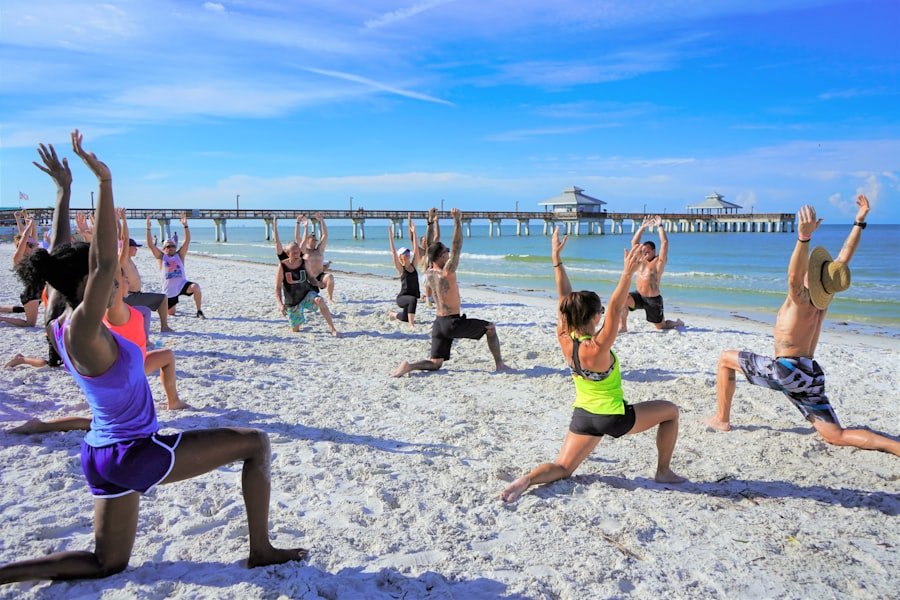
To build strength through calisthenics, practitioners can incorporate a variety of foundational exercises that target major muscle groups. Push-ups are one of the most recognizable bodyweight exercises, engaging the chest, shoulders, triceps, and core. Variations such as diamond push-ups or archer push-ups can be introduced to increase difficulty and target different muscle fibers.
Another essential exercise is the pull-up, which primarily works the back, biceps, and forearms. Mastering pull-ups not only builds upper body strength but also enhances grip strength, which is crucial for many advanced calisthenics movements. Dips are another powerful exercise that targets the triceps, chest, and shoulders.
They can be performed on parallel bars or even on sturdy surfaces like benches or chairs. As practitioners become more proficient, they can explore variations such as weighted dips or straight bar dips to further challenge their strength. Additionally, squats serve as a fundamental lower body exercise that engages the quadriceps, hamstrings, and glutes.
Bodyweight squats can be progressed to pistol squats or jump squats for added intensity. By incorporating these essential exercises into their routines, individuals can develop a well-rounded strength foundation that supports their calisthenics journey.
Essential Calisthenics Exercises for Flexibility
| Exercise | Description | Benefits |
|---|---|---|
| Forward Fold | Standing forward bend to stretch hamstrings and lower back | Improves flexibility in the hamstrings and spine |
| Lunge Stretch | Lunge position to stretch hip flexors and quadriceps | Increases flexibility in the hips and thighs |
| Pike Stretch | Sitting with legs straight, reaching for toes to stretch hamstrings | Enhances flexibility in the hamstrings and lower back |
| Shoulder Stretch | Arm across chest stretch to improve shoulder flexibility | Increases flexibility in the shoulders and upper back |
Flexibility is often overlooked in fitness routines, yet it is vital for enhancing performance in calisthenics. Dynamic stretching should be incorporated as part of a warm-up to prepare the muscles for movement. Exercises such as leg swings, arm circles, and torso twists can increase blood flow and improve mobility in the joints.
Static stretching should follow workouts to promote flexibility and aid recovery. Key stretches include the pigeon pose for hip flexibility, the cobra stretch for spinal extension, and shoulder dislocates using a resistance band or towel. In addition to these stretches, practitioners can benefit from specific flexibility-focused exercises like the bridge or the straddle hold.
The bridge not only stretches the chest and shoulders but also strengthens the posterior chain, including the glutes and hamstrings. The straddle hold challenges both flexibility and strength in the inner thighs and hamstrings while promoting core stability. Incorporating these exercises into a regular routine will enhance overall flexibility, allowing practitioners to perform advanced calisthenics movements with greater ease and control.
How to Progress in Calisthenics Training
Progression in calisthenics is essential for continued improvement and skill development. Unlike traditional weightlifting where progression is often measured by increasing weights, calisthenics progression relies on mastering bodyweight movements before advancing to more complex variations. One effective method is to focus on increasing repetitions or sets of an exercise until a certain threshold is reached.
For instance, if an individual can perform ten push-ups with proper form, they might aim for twelve or fifteen before considering more challenging variations like decline push-ups or explosive push-ups. Another approach to progression involves manipulating leverage and body positioning. For example, transitioning from standard push-ups to incline push-ups reduces the load on the upper body while still providing a challenge.
Conversely, moving to decline push-ups increases difficulty by shifting more weight onto the arms. Additionally, incorporating tempo training—where practitioners slow down the eccentric (lowering) phase of an exercise—can enhance strength gains without needing additional resistance. By employing these strategies, individuals can ensure steady progress in their calisthenics training while minimizing the risk of injury.
Common Mistakes to Avoid in Calisthenics
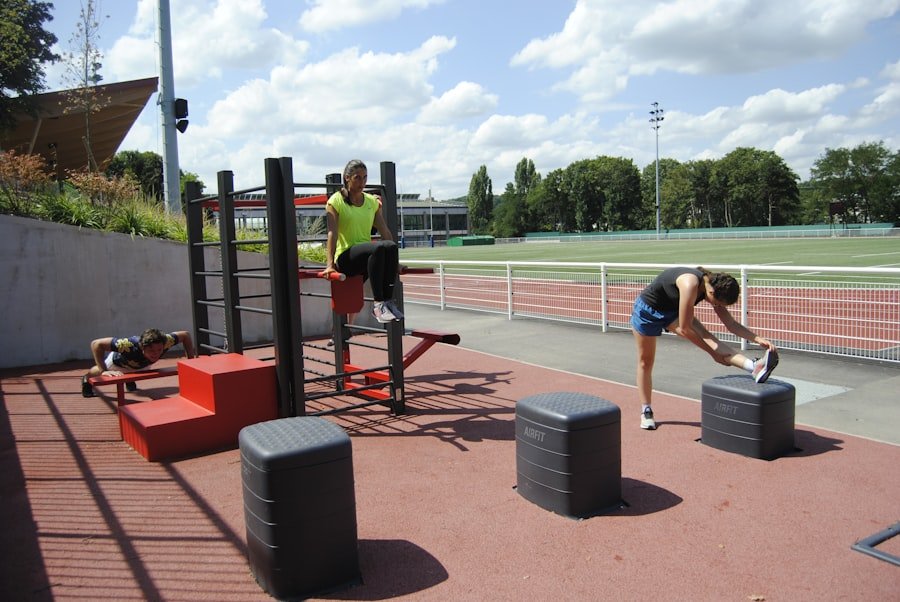
As with any form of exercise, there are common pitfalls that practitioners should be aware of when engaging in calisthenics training. One prevalent mistake is neglecting proper form in favor of completing more repetitions or achieving advanced movements too quickly. Poor form can lead to injuries and hinder progress over time.
For instance, performing push-ups with an arched back or flared elbows places undue stress on the shoulders and lower back. It is crucial to prioritize quality over quantity by focusing on maintaining proper alignment throughout each movement. Another mistake is failing to incorporate adequate rest and recovery into training routines.
Calisthenics can be demanding on the muscles and joints; therefore, allowing time for recovery is essential for muscle repair and growth. Overtraining can lead to fatigue and increased susceptibility to injuries. Practitioners should listen to their bodies and schedule rest days or active recovery sessions as needed.
Additionally, many individuals overlook the importance of warming up before workouts and cooling down afterward. A proper warm-up prepares the body for exercise by increasing heart rate and blood flow to muscles while cooling down aids in recovery by gradually lowering heart rate and preventing stiffness.
Tips for Mastering Calisthenics Techniques
Mastering calisthenics techniques requires patience, practice, and attention to detail. One effective strategy is to break down complex movements into smaller components or progressions. For example, if an individual aims to achieve a handstand but struggles with balance, they can practice wall-supported handstands or kick-ups against a wall before attempting freestanding variations.
This gradual approach allows practitioners to build confidence while developing the necessary strength and balance required for advanced skills. Another important aspect of mastering techniques is consistency in practice. Regularly dedicating time to specific skills will yield better results than sporadic attempts.
Setting aside focused training sessions for particular movements—such as muscle-ups or planches—can accelerate progress significantly. Additionally, seeking feedback from experienced practitioners or coaches can provide valuable insights into form corrections and technique improvements. Utilizing video analysis can also help individuals identify areas for refinement in their movements.
Incorporating Calisthenics into Your Fitness Routine
Integrating calisthenics into an existing fitness routine can enhance overall physical conditioning while providing variety to workouts. One effective method is to incorporate calisthenics as part of a circuit training regimen where different exercises are performed consecutively with minimal rest between them. This approach not only builds strength but also improves cardiovascular fitness due to its high-intensity nature.
Moreover, calisthenics can be seamlessly combined with other forms of training such as running or cycling for a well-rounded fitness program. For instance, alternating between bodyweight exercises like burpees or lunges with short bursts of cardio can create an efficient workout that targets multiple fitness components simultaneously. Additionally, practitioners can set specific goals related to their calisthenics practice—such as mastering a particular skill or achieving a certain number of repetitions—which can serve as motivation while enhancing overall fitness levels.
By understanding the principles behind calisthenics training and incorporating these strategies into their routines, individuals can unlock their potential for strength and flexibility while enjoying the myriad benefits this versatile form of exercise has to offer.
If you are interested in learning more about the benefits of calisthenics exercises for health, be sure to check out this informative article here. Calisthenics is a great way to improve strength, flexibility, and overall fitness levels without the need for any equipment. It is a versatile form of exercise that can be tailored to suit any fitness level. Whether you are a beginner or an experienced athlete, calisthenics can help you achieve your fitness goals.