
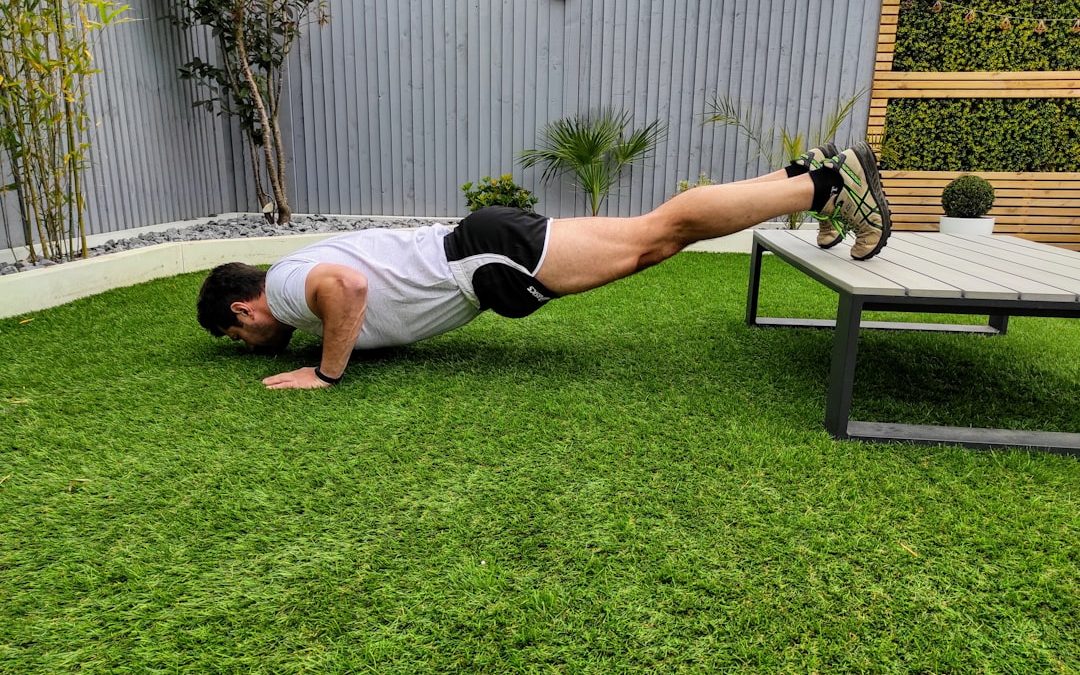
Calisthenics, also known as bodyweight training, is a form of exercise that utilizes an individual’s body weight to build strength, endurance, and flexibility. This versatile fitness approach requires minimal equipment, making it accessible to those seeking to improve their physical health without the need for gym memberships or expensive gear. Calisthenics exercises can be performed in various locations, including homes, outdoor parks, and playgrounds, offering a convenient and cost-effective method for maintaining fitness.
Beyond muscle building, calisthenics focuses on enhancing overall body control, coordination, and balance. Exercises such as push-ups, pull-ups, squats, and planks engage multiple muscle groups simultaneously, promoting a functional and holistic approach to fitness. Calisthenics exercises can be easily modified to suit individuals of varying fitness levels, from beginners to advanced athletes, making it an inclusive and adaptable form of exercise suitable for people of all ages and abilities.
Key Takeaways
- Calisthenics is a form of bodyweight training that uses minimal equipment and focuses on using one’s own body weight for resistance.
- The benefits of calisthenics include improved strength, flexibility, and endurance, as well as increased muscle tone and overall fitness.
- Essential calisthenics exercises include push-ups, pull-ups, squats, lunges, and planks, which target different muscle groups and help build overall strength and endurance.
- Progression in calisthenics involves gradually increasing the difficulty of exercises, such as adding more reps, changing the angle, or using advanced variations to continue challenging the body.
- Creating a calisthenics routine involves designing a workout plan that includes a variety of exercises, targets different muscle groups, and allows for progression over time.
The Benefits of Calisthenics: Why Bodyweight Training is Effective
Building Functional Strength
One of the key advantages of calisthenics is its ability to build functional strength, which is essential for performing everyday activities and preventing injuries. By using the weight of your own body as resistance, calisthenics exercises help to develop strength in a way that is more natural and practical than traditional weightlifting.
Improving Flexibility and Mobility
In addition to building strength, calisthenics also improves flexibility, mobility, and body control. Many calisthenics exercises require a full range of motion, which helps to improve joint flexibility and muscle elasticity. This can lead to better posture, reduced risk of injury, and improved overall physical performance.
Enhancing Cardiovascular Health
Furthermore, calisthenics can also help to improve cardiovascular health by incorporating high-intensity movements that elevate the heart rate and improve endurance. This makes calisthenics an effective way to burn calories, improve stamina, and boost overall cardiovascular fitness.
Essential Calisthenics Exercises: Building Strength and Endurance

There are several essential calisthenics exercises that are fundamental for building strength and endurance. These exercises target different muscle groups and can be modified to accommodate individuals of all fitness levels. One of the most basic yet effective calisthenics exercises is the push-up.
This exercise targets the chest, shoulders, triceps, and core muscles, making it a great full-body workout. Variations such as incline push-ups, decline push-ups, and diamond push-ups can be used to increase or decrease the intensity of the exercise. Another essential calisthenics exercise is the pull-up, which targets the back, biceps, and forearms.
Pull-ups are an excellent way to build upper body strength and can be modified using different grip variations such as wide grip, narrow grip, or chin-ups. Squats are also a fundamental calisthenics exercise that targets the quadriceps, hamstrings, glutes, and core muscles. Squats are essential for building lower body strength and can be modified using variations such as jump squats or pistol squats to increase difficulty.
Progression in Calisthenics: Advancing Your Skills and Achieving Goals
| Exercise | Reps | Sets | Difficulty Level |
|---|---|---|---|
| Pull-ups | 10 | 3 | Intermediate |
| Push-ups | 15 | 3 | Beginner |
| Pistol Squats | 8 (each leg) | 3 | Advanced |
| Handstand Push-ups | 5 | 3 | Expert |
Progression is an important aspect of calisthenics that allows individuals to advance their skills and achieve their fitness goals. As with any form of exercise, it is important to gradually increase the difficulty of your workouts in order to continue making progress. One way to progress in calisthenics is by increasing the number of repetitions or sets for each exercise.
For example, if you can easily perform 10 push-ups, try increasing the number to 15 or 20 in order to challenge yourself and build more strength. Another way to progress in calisthenics is by mastering more advanced variations of basic exercises. For example, once you have mastered regular push-ups, you can progress to more challenging variations such as one-arm push-ups or handstand push-ups.
Similarly, once you have built enough strength with regular pull-ups, you can progress to more difficult variations such as muscle-ups or front lever pull-ups. Additionally, incorporating plyometric exercises such as explosive push-ups or jump squats can help to improve power and explosiveness, leading to further progression in calisthenics.
Creating a Calisthenics Routine: Designing a Workout Plan for Success
Creating a well-rounded calisthenics routine is essential for achieving success in bodyweight training. A good calisthenics routine should include a variety of exercises that target different muscle groups and movement patterns in order to achieve balanced strength and overall fitness. It is important to include exercises that target the upper body, lower body, core muscles, as well as cardiovascular conditioning in order to achieve a comprehensive workout plan.
When designing a calisthenics routine, it is important to consider the principles of progressive overload in order to continue making progress. This means gradually increasing the intensity or difficulty of your workouts over time in order to challenge your muscles and stimulate growth. Additionally, it is important to include adequate rest periods between workouts in order to allow for muscle recovery and prevent overtraining.
A well-designed calisthenics routine should also include warm-up and cool-down exercises in order to prepare the body for exercise and prevent injury.
Mastering Calisthenics Techniques: Perfecting Form and Execution
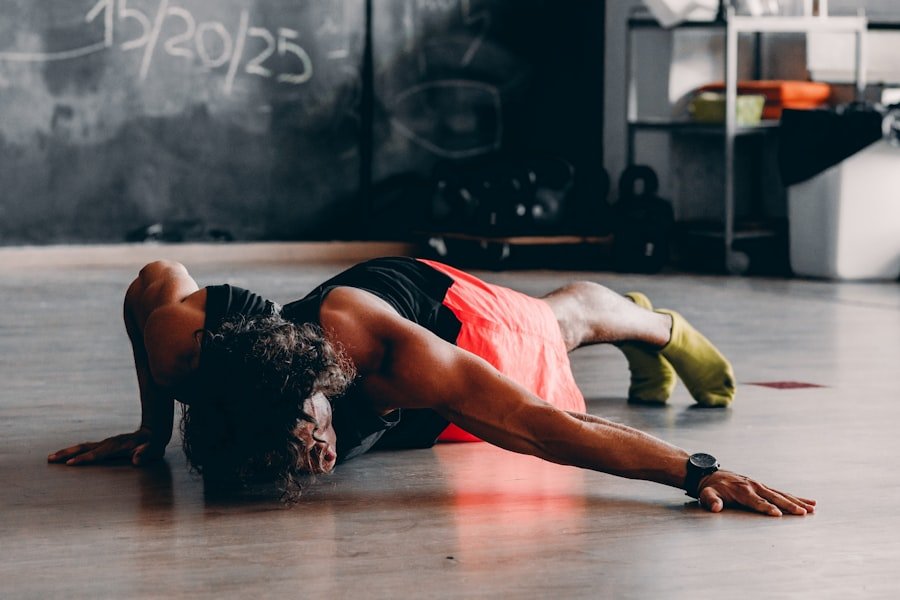
Perfecting Form in Fundamental Exercises
For instance, when performing a push-up, it is essential to maintain a straight line from your head to your heels to engage the core muscles and prevent excessive strain on the lower back. Similarly, when performing a pull-up, it is vital to engage the back muscles and avoid swinging or using momentum to effectively target the intended muscle groups.
Mastering Techniques through Progressive Training
To master calisthenics techniques, it is essential to start with basic exercises and focus on perfecting form before progressing to more advanced variations. This approach allows you to build a strong foundation and reduce the risk of injury.
Seeking Guidance for Improvement
Additionally, seeking guidance from a qualified fitness professional or coach can be incredibly helpful in receiving feedback on your form and technique. This feedback enables you to make necessary adjustments for improvement, ensuring that you get the most out of your calisthenics training while minimizing the risk of injury.
Overcoming Challenges in Calisthenics: Dealing with Plateaus and Setbacks
Like any form of exercise, calisthenics comes with its own set of challenges including plateaus and setbacks. Plateaus occur when progress stalls despite consistent effort and can be frustrating for individuals looking to achieve their fitness goals. One way to overcome plateaus in calisthenics is by incorporating variety into your workouts in order to challenge your muscles in new ways.
This can include trying new exercises or variations, changing up your rep ranges or sets, or incorporating different training techniques such as supersets or drop sets. Setbacks can also occur in calisthenics due to factors such as injury or overtraining. It is important to listen to your body and take adequate rest when needed in order to prevent injury and allow for proper recovery.
Additionally, seeking guidance from a qualified fitness professional or physical therapist can be helpful in order to receive proper treatment for any injuries or setbacks that may occur during your calisthenics training journey. By staying patient and persistent, individuals can overcome challenges in calisthenics and continue making progress towards their fitness goals.
FAQs
What is calisthenics?
Calisthenics is a form of exercise that uses body weight for resistance and does not require any equipment. It includes a variety of movements such as push-ups, pull-ups, squats, and lunges.
What are the benefits of calisthenics?
Calisthenics can improve strength, flexibility, and cardiovascular fitness. It also helps to improve body control, coordination, and balance. Additionally, it can be done anywhere and at any time, making it a convenient form of exercise.
Is calisthenics suitable for all fitness levels?
Yes, calisthenics can be adapted to suit all fitness levels. Beginners can start with basic movements and gradually progress to more advanced exercises as they build strength and skill.
Can calisthenics help with weight loss?
Yes, calisthenics can be an effective form of exercise for weight loss. It helps to build lean muscle mass, which can increase metabolism and burn more calories. Additionally, it can improve overall fitness and contribute to a healthy weight.
Are there any risks associated with calisthenics?
As with any form of exercise, there are potential risks associated with calisthenics, such as overuse injuries or improper form leading to strains or sprains. It is important to start slowly, use proper technique, and listen to your body to avoid injury.