
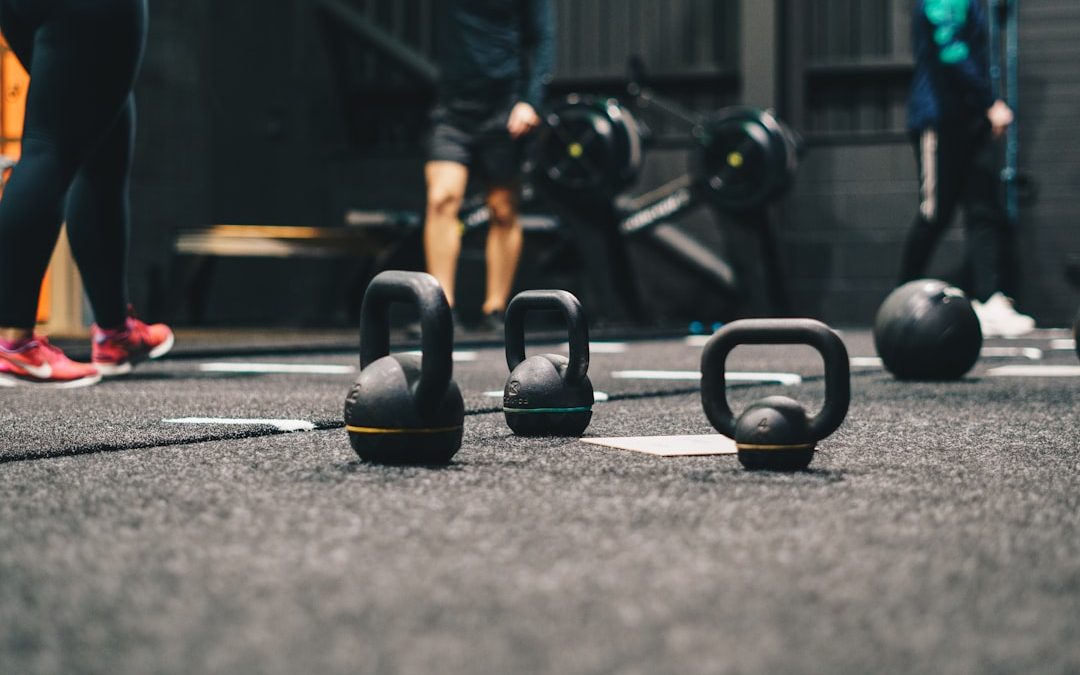
Setting fitness goals is a crucial initial step in beginning a fitness journey. It is important to create goals that are Specific, Measurable, Achievable, Relevant, and Time-bound (SMART). This approach ensures that goals are clear and well-defined, providing a precise target to work towards.
For instance, rather than stating “I want to lose weight,” a SMART goal would be “I aim to lose 10 pounds over the next 3 months by exercising 4 times a week and adhering to a nutritious meal plan.” This goal meets all SMART criteria, making it more effective and actionable. It is equally important to ensure that fitness goals align with personal values and priorities. Individuals should reflect on their motivations for pursuing these goals and consider how achieving them will enhance overall well-being.
Whether the objective is to improve physical health, increase self-confidence, or enhance general quality of life, understanding the underlying motivation can significantly boost commitment and focus. This deeper connection to one’s goals can serve as a powerful driving force throughout the fitness journey.
Key Takeaways
- Setting specific, measurable, achievable, relevant, and time-bound (SMART) fitness goals is crucial for success.
- When creating a workout plan, consider your fitness level, schedule, and preferred activities to ensure it is sustainable and enjoyable.
- Design a healthy meal plan that includes a balance of macronutrients, plenty of fruits and vegetables, and adequate hydration.
- Incorporating stress-reducing activities such as yoga, meditation, or nature walks can help improve overall well-being and support your fitness journey.
- Finding a workout buddy or support system can provide accountability, motivation, and make exercising more enjoyable.
- Staying consistent with your fitness routine is key to seeing results, so prioritize regular exercise and healthy eating habits.
- Celebrate your progress, no matter how small, and find ways to stay motivated such as rewarding yourself or tracking your achievements.
Creating a workout plan
Designing a Well-Rounded Workout Plan
Once you have established your fitness goals, the next step is to create a workout plan that will help you achieve them. Your workout plan should include a combination of cardiovascular exercise, strength training, and flexibility exercises to ensure a well-rounded approach to fitness. When designing your workout plan, consider your current fitness level and any potential limitations or injuries.
Starting at the Right Level and Adding Variety
It’s important to start at a level that is challenging but manageable for you, and gradually increase the intensity as you progress. Incorporating variety into your workout plan is also key to preventing boredom and plateaus. Try different types of workouts such as running, cycling, swimming, yoga, or weightlifting to keep things interesting and engage different muscle groups.
Scheduling and Sticking to Your Workouts
Additionally, scheduling your workouts in advance and treating them as non-negotiable appointments can help you stay consistent and accountable. Whether you prefer to exercise in the morning, during lunchtime, or in the evening, finding a time that works best for you and sticking to it can make it easier to establish a routine.
Designing a healthy meal plan
In addition to exercise, nutrition plays a crucial role in achieving your fitness goals. Designing a healthy meal plan that supports your fitness goals is essential for fueling your body with the nutrients it needs to perform at its best. When creating a meal plan, focus on incorporating a variety of whole foods such as fruits, vegetables, lean proteins, whole grains, and healthy fats.
Aim to include a balance of macronutrients (carbohydrates, protein, and fat) in each meal to keep you satisfied and energized throughout the day. Meal prepping can be a helpful strategy for staying on track with your healthy eating goals. Set aside some time each week to plan and prepare your meals in advance, so you have nutritious options readily available when hunger strikes.
This can help prevent impulsive food choices and make it easier to stick to your meal plan. Additionally, staying hydrated is an important aspect of a healthy meal plan, so be sure to drink plenty of water throughout the day to support your overall health and fitness goals.
Incorporating stress-reducing activities
| Activity | Frequency | Duration |
|---|---|---|
| Yoga | 3 times a week | 1 hour |
| Meditation | Everyday | 20 minutes |
| Exercise | 5 times a week | 30 minutes |
Managing stress is an important component of overall well-being and can have a significant impact on your fitness journey. Incorporating stress-reducing activities such as meditation, yoga, deep breathing exercises, or spending time in nature can help lower cortisol levels and improve your mental and emotional state. Finding activities that help you relax and unwind can also prevent emotional eating or other unhealthy coping mechanisms that may hinder your progress.
In addition to specific stress-reducing activities, prioritizing self-care and setting boundaries can also contribute to reducing stress levels. This may include setting aside time for hobbies, spending quality time with loved ones, or seeking support from a therapist or counselor if needed. By addressing stress and taking steps to manage it effectively, you can create a more supportive environment for achieving your fitness goals.
Finding a workout buddy or support system
Having a workout buddy or support system can make a significant difference in staying motivated and accountable on your fitness journey. Whether it’s a friend, family member, or colleague, having someone to exercise with can make workouts more enjoyable and provide an extra layer of support. You can encourage each other, celebrate milestones together, and hold each other accountable when motivation wanes.
If finding a workout buddy isn’t feasible, consider joining a fitness class or group where you can connect with like-minded individuals who share similar goals. This can provide a sense of community and belonging while also offering opportunities for social interaction and encouragement. Additionally, there are many online communities and forums dedicated to fitness and wellness where you can find support and inspiration from others on similar paths.
Staying consistent with your fitness routine
Embracing Imperfection
It’s essential to remember that consistency doesn’t mean perfection. There will be days when you may not feel like exercising or when life gets in the way, and that’s okay. The key is to find ways to stay committed even during challenging times by adjusting your approach or seeking support when needed.
Building Lasting Habits
By making small, sustainable changes and staying persistent over time, you can build lasting habits that support your fitness goals. This approach allows you to make progress without feeling overwhelmed, and it increases your chances of long-term success.
Staying Committed
Staying committed to your fitness goals requires a combination of discipline, motivation, and flexibility. By finding ways to stay on track, even when faced with obstacles, you can overcome setbacks and continue making progress towards your goals.
Celebrating your progress and staying motivated
Celebrating your progress along the way is an important part of staying motivated and committed to your fitness journey. Whether it’s reaching a new personal best in a workout, fitting into a pair of jeans that didn’t use to zip up, or simply feeling more energized and confident, taking time to acknowledge and celebrate your achievements can boost morale and reinforce positive behaviors. In addition to celebrating milestones, finding ways to stay motivated can help sustain your momentum over the long term.
This may involve setting new goals as you reach previous ones, trying new workouts or activities to keep things fresh, or seeking inspiration from others who have achieved similar feats. Remember that motivation may ebb and flow at times, so being kind to yourself and finding strategies that reignite your passion for fitness can help keep you on track. In conclusion, setting fitness goals, creating a workout plan, designing a healthy meal plan, incorporating stress-reducing activities, finding a workout buddy or support system, staying consistent with your fitness routine, celebrating progress, and staying motivated are all essential components of a successful fitness journey.
By taking a holistic approach that addresses physical activity, nutrition, mental well-being, and social support, you can create a sustainable path towards achieving your fitness goals and living a healthier, more fulfilling life.
FAQs
What is shredding for the wedding?
Shredding for the wedding refers to the process of getting in shape and toning up before the wedding day. It often involves a combination of exercise, healthy eating, and lifestyle changes to achieve a desired physique.
Why do people shred for their wedding?
Many people want to look and feel their best on their wedding day. Shredding for the wedding can help individuals feel more confident, improve their overall health, and ensure they look great in their wedding attire.
What are some common methods for shredding for the wedding?
Common methods for shredding for the wedding include regular exercise, such as cardio and strength training, as well as following a balanced and nutritious diet. Some individuals may also seek the guidance of a personal trainer or nutritionist to help them reach their goals.
How far in advance should someone start shredding for their wedding?
It is recommended to start shredding for the wedding at least 6-12 months in advance. This allows for gradual and sustainable progress, as well as the opportunity to make long-term lifestyle changes.
What are some tips for shredding for the wedding?
Some tips for shredding for the wedding include setting realistic goals, staying consistent with exercise and nutrition, staying hydrated, getting enough sleep, and managing stress levels. It’s also important to listen to your body and seek professional guidance if needed.
Is shredding for the wedding only about physical appearance?
While shredding for the wedding often focuses on achieving a desired physical appearance, it can also have positive effects on overall health and well-being. Engaging in regular exercise and eating a balanced diet can lead to increased energy levels, improved mood, and better overall health.