
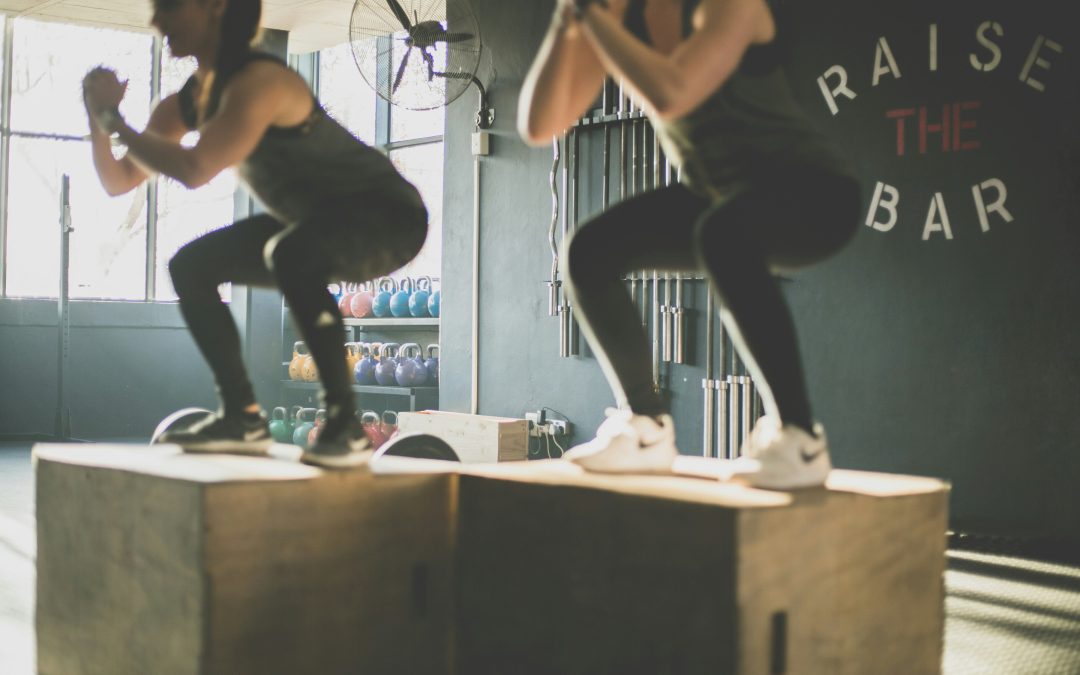
Calisthenics, derived from the Greek words “kállos” meaning beauty and “sthenos” meaning strength, has roots that trace back to ancient civilizations. The practice of bodyweight training can be seen in the physical regimens of the ancient Greeks, who emphasized the importance of developing both the body and mind. Historical texts suggest that athletes in ancient Greece engaged in exercises that utilized their own body weight for resistance, laying the groundwork for what we now recognize as calisthenics.
These exercises were not merely for physical prowess; they were integral to the cultural fabric of Greek society, where physical fitness was celebrated as a pathway to achieving excellence in various aspects of life. As time progressed, calisthenics evolved through various cultures and epochs. The Romans adopted and adapted these practices, incorporating them into their military training to enhance the strength and endurance of their soldiers.
The emphasis on bodyweight exercises continued through the Middle Ages, where knights and warriors engaged in similar training to prepare for battle. By the 19th century, calisthenics began to gain popularity in Europe and America as a form of physical education, with schools and military institutions recognizing its value in developing discipline, coordination, and overall fitness. This historical trajectory illustrates how calisthenics has been a fundamental aspect of human physical development across different eras and societies. Check out the benefits of calisthenics for improving strength and flexibility.
Key Takeaways
- Calisthenics has its origins in ancient Greece and has evolved into modern street workout.
- Calisthenics offers benefits such as building strength, flexibility, and endurance through bodyweight exercises.
- The philosophy of Kállos + Sthenos emphasizes embracing the beauty of functional movement in calisthenics.
- Calisthenics combines grace and power in bodyweight exercises, making it an art form in fitness.
- Calisthenics promotes a holistic approach to fitness and well-being, encouraging movement, mindfulness, and community.
The Benefits of Calisthenics: Building Strength, Flexibility, and Endurance
Calisthenics offers a multitude of benefits that extend beyond mere physical appearance. One of the most significant advantages is its ability to build functional strength. Unlike traditional weightlifting, which often isolates specific muscle groups, calisthenics engages multiple muscle groups simultaneously.
Exercises such as push-ups, pull-ups, and squats require coordination and balance, promoting overall body strength that translates into improved performance in daily activities. This functional strength is particularly beneficial for athletes and individuals seeking to enhance their physical capabilities in sports or recreational activities. In addition to strength, calisthenics is an excellent way to improve flexibility and mobility.
Many bodyweight exercises involve dynamic movements that stretch and lengthen muscles while simultaneously building strength. For instance, movements like lunges and deep squats not only strengthen the legs but also enhance hip flexibility and joint mobility. This dual benefit is crucial for injury prevention, as increased flexibility can help reduce the risk of strains and sprains during physical activities.
Furthermore, the endurance aspect of calisthenics cannot be overlooked; performing high-repetition sets or circuit training can significantly improve cardiovascular fitness, making it an effective workout for those looking to enhance their stamina.
The Philosophy of Kállos + Sthenos: Embracing the Beauty of Functional Movement
The philosophy behind calisthenics is deeply rooted in the concepts of kállos and sthenos, which advocate for a harmonious balance between beauty and strength. This philosophy encourages practitioners to view their bodies as instruments capable of graceful movement rather than mere vessels for lifting weights. The aesthetic aspect of calisthenics is evident in the fluidity and artistry of movements such as handstands, muscle-ups, and planches.
These exercises not only showcase physical prowess but also embody a sense of elegance that resonates with the principles of kállos. Moreover, embracing this philosophy fosters a holistic approach to fitness that transcends physical appearance. It encourages individuals to appreciate their bodies’ capabilities and to cultivate a sense of mindfulness during their workouts.
Practitioners are urged to focus on form and technique rather than simply chasing numbers or aesthetic goals. This shift in mindset can lead to a more fulfilling fitness journey, where the joy of movement takes precedence over external validation. By embodying the principles of kállos and sthenos, individuals can develop a deeper connection with their bodies, enhancing both their physical performance and overall well-being.
The Art of Calisthenics: How Bodyweight Exercises Can Be Both Graceful and Powerful
Calisthenics is often described as an art form due to its emphasis on fluidity, control, and precision in movement. The beauty of bodyweight training lies in its ability to transform seemingly simple exercises into complex displays of strength and agility. For instance, a well-executed handstand not only requires significant upper body strength but also demands balance, coordination, and mental focus.
When performed with grace, these movements captivate observers and inspire practitioners to push their limits further. The artistic nature of calisthenics is also reflected in its adaptability; practitioners can create unique routines that blend strength training with elements of dance or gymnastics. This creative freedom allows individuals to express themselves through movement while simultaneously building strength and endurance.
For example, incorporating dynamic transitions between exercises—such as moving from a push-up into a backflip—can create visually stunning sequences that highlight both power and grace. This artistic expression fosters a sense of individuality within the practice, encouraging practitioners to explore their unique styles while adhering to the foundational principles of calisthenics.
The Science Behind Calisthenics: Understanding the Physiological Impact of Bodyweight Training
The physiological impact of calisthenics is profound, as it engages multiple systems within the body to promote overall health and fitness. When performing bodyweight exercises, the muscles undergo mechanical tension that stimulates hypertrophy—the process by which muscle fibers increase in size. This occurs through a combination of eccentric (lengthening) and concentric (shortening) contractions during movements like push-ups or squats.
As practitioners progressively challenge themselves with more complex variations or increased repetitions, they stimulate further muscle growth and strength gains. Additionally, calisthenics has been shown to enhance neuromuscular coordination—the ability of the nervous system to communicate effectively with muscles during movement. This improved coordination is particularly beneficial for athletes who require precise control over their bodies during dynamic activities.
Research indicates that bodyweight training can lead to increased motor unit recruitment, allowing for more efficient movement patterns. Furthermore, engaging in calisthenics can positively influence metabolic health by improving insulin sensitivity and promoting fat loss while preserving lean muscle mass.
Calisthenics for All: How Anyone Can Embrace the Kállos + Sthenos Philosophy
One of the most appealing aspects of calisthenics is its accessibility; it can be practiced by individuals of all ages and fitness levels without the need for specialized equipment or gym memberships. The beauty of bodyweight training lies in its scalability; exercises can be modified to suit beginners while still providing challenges for advanced practitioners. For instance, a novice may start with knee push-ups before progressing to standard push-ups or even one-arm variations as they build strength over time.
Moreover, embracing the philosophy of kállos and sthenos encourages inclusivity within the calisthenics community. Individuals are motivated to celebrate their unique journeys rather than compare themselves to others. This mindset fosters a supportive environment where practitioners can share their experiences, challenges, and triumphs without fear of judgment.
By promoting self-acceptance and personal growth, calisthenics becomes not just a workout but a transformative journey toward self-discovery and empowerment.
The Evolution of Calisthenics: From Ancient Greece to Modern Street Workout
The evolution of calisthenics reflects broader societal changes in attitudes toward fitness and health. In ancient Greece, physical training was revered as an essential component of education and citizenship; athletes were celebrated for their prowess in competitions like the Olympics. As civilizations progressed through history, calisthenics adapted to meet the needs of different cultures—whether it was military training in Rome or physical education in schools during the 19th century.
In recent years, calisthenics has experienced a resurgence in popularity with the rise of street workout culture. Urban environments have become vibrant hubs for practitioners who utilize public spaces like parks and playgrounds for their training sessions. This movement emphasizes creativity, community engagement, and self-expression through bodyweight exercises.
Street workout competitions showcase incredible feats of strength and skill while fostering camaraderie among participants from diverse backgrounds. The evolution from ancient practices to modern street workouts illustrates how calisthenics continues to adapt while remaining rooted in its historical significance.
While both calisthenics and traditional strength training aim to build muscle and improve fitness levels, they differ significantly in approach and methodology. Traditional strength training typically involves lifting weights or using resistance machines to target specific muscle groups in isolation. This method allows for precise control over resistance levels but may not always translate into functional strength applicable in real-life scenarios.
Conversely, calisthenics emphasizes compound movements that engage multiple muscle groups simultaneously. Exercises like pull-ups or dips require coordination between various muscles, promoting functional strength that enhances overall athletic performance. Additionally, calisthenics often incorporates elements of balance and stability training—skills that are less emphasized in traditional weightlifting routines.
However, both approaches share common goals: improving muscular endurance, increasing strength levels, and enhancing overall fitness.
The Community of Calisthenics: How Practitioners Come Together to Share Knowledge and Inspire Others
The community surrounding calisthenics is one of its most vibrant aspects; practitioners often come together to share knowledge, techniques, and motivation. Online platforms such as social media have played a pivotal role in connecting individuals from around the world who share a passion for bodyweight training. Through videos showcasing impressive feats or tutorials breaking down complex movements, practitioners inspire one another while fostering a sense of belonging within this global community.
Local meetups and workshops further strengthen these connections by providing opportunities for face-to-face interaction among enthusiasts at various skill levels. These gatherings allow individuals to learn from experienced practitioners while also sharing their own insights with newcomers. The collaborative spirit inherent in the calisthenics community encourages continuous learning—whether through exchanging tips on form or discussing personal training philosophies—creating an environment where everyone can thrive together.
Calisthenics for Mental Health: How Movement and Mindfulness Go Hand in Hand
The mental health benefits associated with calisthenics are increasingly recognized as essential components of overall well-being. Engaging in physical activity has been shown to release endorphins—neurotransmitters that promote feelings of happiness and reduce stress levels. For many practitioners, calisthenics serves as an outlet for releasing pent-up energy while providing a sense of accomplishment through mastering new skills or achieving personal goals.
Moreover, the mindfulness aspect inherent in calisthenics encourages individuals to focus on their movements rather than external distractions. Practicing bodyweight exercises requires concentration on form, breathing patterns, and body awareness—elements that promote mindfulness during workouts. This meditative quality can help alleviate anxiety while fostering a deeper connection between mind and body—a crucial aspect often overlooked in traditional fitness regimens.
Embracing Kállos + Sthenos: How Calisthenics Encourages a Holistic Approach to Fitness and Well-being
Embracing the philosophy of kállos + sthenos through calisthenics encourages individuals to adopt a holistic approach toward fitness that encompasses physical health alongside mental well-being. By prioritizing functional movement over aesthetic goals alone, practitioners cultivate an appreciation for their bodies’ capabilities while fostering self-acceptance throughout their fitness journeys. This holistic perspective extends beyond exercise; it encourages individuals to consider nutrition, recovery practices, and mental health as integral components of overall wellness.
By integrating these elements into their routines—whether through mindful eating habits or prioritizing rest days—practitioners can achieve sustainable progress while nurturing both body and mind. In conclusion, calisthenics stands as a testament to humanity’s enduring quest for strength, beauty, and balance—a journey that transcends time while inviting all individuals to partake in its transformative power.
In exploring the concept of calisthenics as “beautiful strength,” it’s essential to understand the foundational exercises that contribute to this discipline. A related article, Mastering Calisthenics: Essential Exercises for Strength and Flexibility, delves into the key movements that not only build strength but also enhance flexibility, making them integral to achieving the aesthetic and functional benefits of calisthenics. This resource provides valuable insights for anyone looking to deepen their practice and appreciate the artistry behind these powerful exercises.
FAQs
What is calisthenics?
Calisthenics is a form of exercise that uses the body’s own weight for resistance, and typically involves movements such as pushing, pulling, bending, jumping, or swinging.
What does the term “Kállos + Sthenos” mean?
“Kállos + Sthenos” is a combination of two Greek words, “kállos” meaning beauty and “sthenos” meaning strength. Together, they represent the concept of calisthenics as a form of exercise that promotes both physical strength and aesthetic beauty.
How does calisthenics promote “beautiful strength”?
Calisthenics promotes “beautiful strength” by focusing on developing lean, functional muscle and a balanced physique. The exercises emphasize control, flexibility, and body awareness, resulting in a strong and aesthetically pleasing physique.
What are some common calisthenics exercises?
Common calisthenics exercises include push-ups, pull-ups, dips, squats, lunges, planks, and various forms of bodyweight movements such as handstands, muscle-ups, and levers.
What are the benefits of calisthenics?
The benefits of calisthenics include improved strength, flexibility, balance, and body control. It also promotes a lean and toned physique, and can be done anywhere without the need for equipment. Additionally, calisthenics can improve overall athleticism and functional movement patterns.